World · Singapore Bureau
Air conditioning alone insufficient against haze; experts advise layered approach
Simply running air-conditioners will not adequately protect indoor spaces from haze particles, according to environmental specialists. A combination of filtration methods and proper ventilation management offers better protection during periods of poor air quality.
LSN Singapore ·
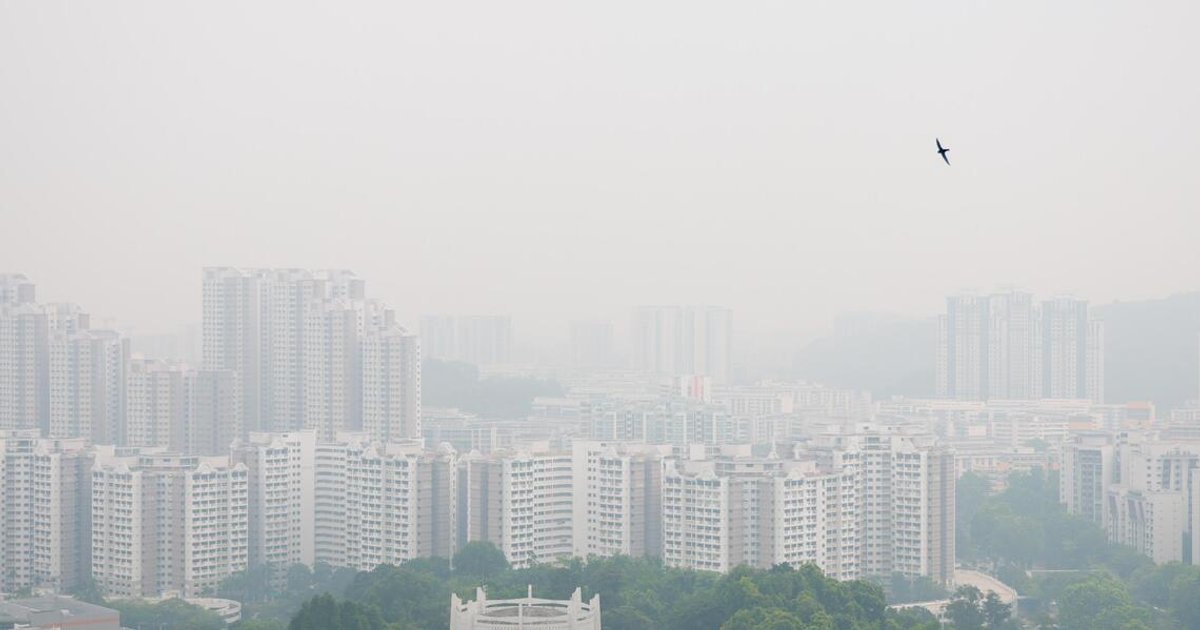
While air-conditioning provides some relief during hazy conditions, relying on it as the sole defence against particulate matter proves inadequate for maintaining healthy indoor air quality, experts have cautioned. The cooling systems typically recirculate existing air within enclosed spaces rather than actively filtering out fine particles that penetrate buildings during episodes of regional haze.
Environmental specialists recommend a multi-layered approach to indoor air protection. High-efficiency particulate air filters, commonly known as HEPA filters, can significantly reduce airborne pollutants when incorporated into ventilation systems or used as standalone units. Regular maintenance of filters and ensuring proper sealing of windows and doors also helps minimise particle infiltration.
Additionally, experts suggest monitoring indoor air quality through available monitoring devices and adjusting ventilation strategies accordingly. During peak haze periods, limiting outdoor air intake while maximising filtration of recirculated air proves more effective than conventional air-conditioning alone. Workplaces and residential buildings should consider upgrading their ventilation systems with appropriate filtration capabilities to better protect occupants during seasonal haze events.
The guidance reflects growing concerns about transboundary air pollution in the region and the need for proactive indoor air management strategies that extend beyond standard cooling systems.