World · Malaysia Bureau
Air-conditioning alone won't protect homes from haze pollution
While closing windows and doors during haze episodes can reduce indoor air pollution, air-conditioners and water bowls are not effective solutions for maintaining safe indoor air quality. Experts warn that additional measures are necessary to protect household members during periods of poor air quality.
LSN Malaysia ·
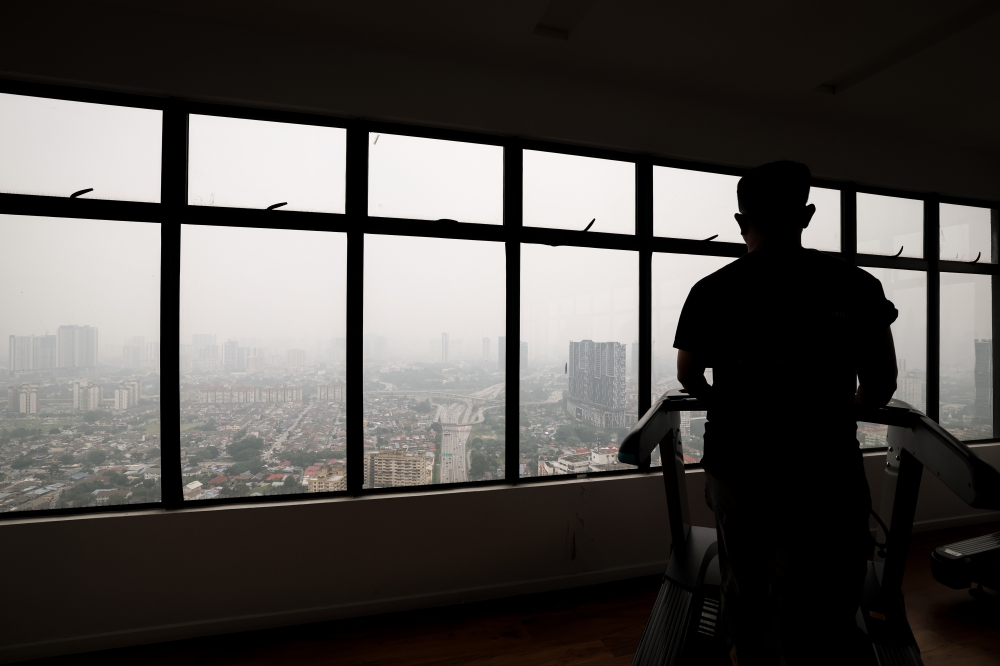
KUALA LUMPUR — During haze episodes, many Malaysian households employ basic measures to keep polluted air out, such as sealing windows and doors. However, these efforts alone provide limited protection, and common household remedies offer little benefit.
Air-conditioning units, while helpful for temperature control, are not designed to filter out fine particulate matter that characterizes haze pollution. Similarly, placing bowls of water around homes—a traditional practice some believe purifies indoor air—has no scientific basis for removing airborne pollutants.
Experts recommend that households invest in high-efficiency particulate air (HEPA) filters and air purifiers specifically designed to capture fine particles. Regular maintenance of these devices is crucial, as clogged filters lose effectiveness. Additionally, maintaining proper ventilation by occasionally opening windows when outdoor air quality improves, rather than keeping spaces completely sealed for extended periods, helps prevent indoor air from becoming stagnant.
During haze periods, residents should monitor air quality indexes and limit outdoor activities when pollution levels spike. Those with respiratory conditions or young children should take particular precautions, as indoor air quality directly impacts health outcomes during these environmental events.