World · India Bureau
Air pollution killed 3.8 million Indians in decade, study finds
A decade of toxic air quality across India has resulted in approximately 3.8 million deaths between 2009 and 2019, with particulate matter levels far exceeding both national and World Health Organization standards. Smaller towns and major cities alike are grappling with severe air quality crises.
LSN India ·
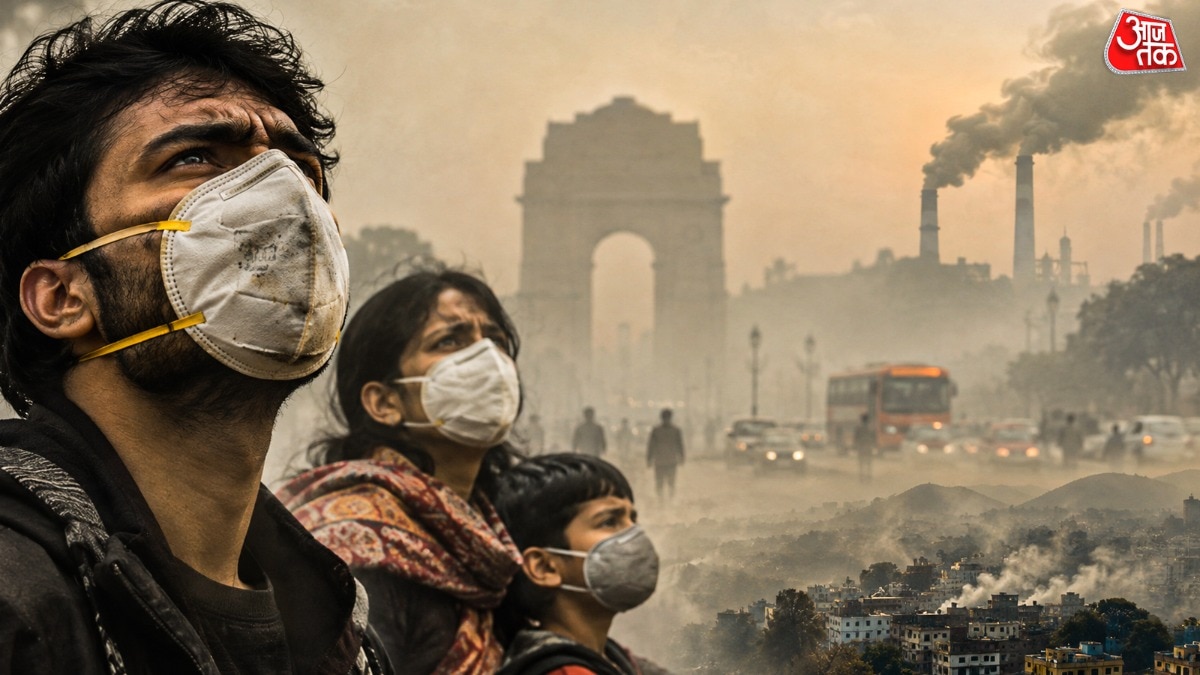
Air pollution emerged as a major public health threat across India during the 2009-2019 period, accounting for 3.8 million deaths in the country, according to findings that underscore the scale of the air quality crisis. The data reveals the extent to which breathing toxic air has become a critical health issue, affecting populations from metropolitan centers to smaller urban areas.
Pollutant levels, particularly PM 2.5 particulates, have consistently exceeded India's national air quality standards across multiple regions. Against WHO guidelines, the health impact widens significantly, with approximately 1.66 crore Indians exposed to air quality levels deemed unsafe by international standards. The disparity between national and WHO thresholds highlights the gap between domestic regulations and global health benchmarks.
Regional variations in pollution levels have emerged as a concerning trend. Some smaller towns, including Barnihat, have recorded air quality measurements exceeding those documented in New Delhi, suggesting that the pollution crisis extends well beyond major metropolitan areas. Both metropolitan regions and smaller urban centers are facing unprecedented air quality challenges.
The findings underscore the urgency of comprehensive air quality management strategies across the country. With pollution-related health impacts spanning diverse geographic regions and population centers, policymakers face mounting pressure to implement stricter emissions controls and pollution mitigation measures to address the ongoing public health emergency.