World · India Bureau
Air pollution poses serious threat to heart health beyond lungs
Medical experts warn that air pollution damages cardiovascular health as severely as respiratory health. Fine particulate matter enters the bloodstream and triggers mechanisms that increase blood pressure and elevate risks of heart attacks and strokes.
LSN India ·
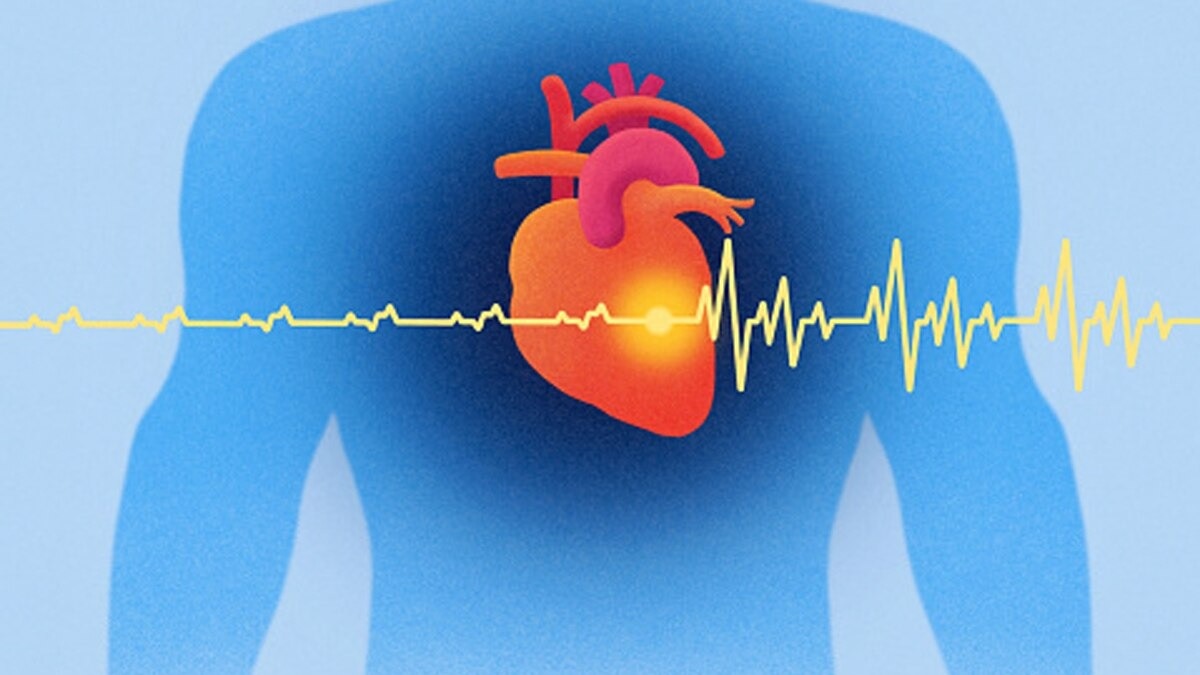
Air pollution's threat extends well beyond the lungs, with mounting evidence showing significant cardiovascular risks even as respiratory concerns dominate public health discussions. Fine particulate matter, particularly PM2.5, penetrates deep into the body's systems with potentially severe consequences for heart health.
When PM2.5 particles enter the respiratory system, they do not remain confined to the lungs. Instead, these microscopic pollutants penetrate the alveolar barrier and enter the bloodstream, circulating throughout the body's vascular system. Once in circulation, they directly affect blood vessels and arterial function, triggering inflammatory responses that compromise cardiovascular stability.
The mechanism through which air pollution damages heart health involves multiple pathways. PM2.5 particles cause inflammation and oxidative stress in blood vessel walls, leading to increased blood pressure. This elevation in blood pressure places additional strain on the heart and arteries, substantially increasing vulnerability to acute cardiovascular events.
The cumulative effect of prolonged exposure to polluted air significantly raises the incidence of heart attacks and strokes among affected populations. Health authorities increasingly recognize air quality not merely as a respiratory concern but as a critical cardiovascular risk factor that demands urgent policy intervention and public awareness.