World · Bangladesh Bureau
Air quality concerns emerge in Sundarbans mangrove forest
Environmental monitoring has detected elevated air pollution levels in the Sundarbans, the world's largest mangrove forest and a UNESCO World Heritage Site. The findings raise questions about atmospheric conditions in the ecologically sensitive region spanning Bangladesh and India.
LSN Bangladesh ·
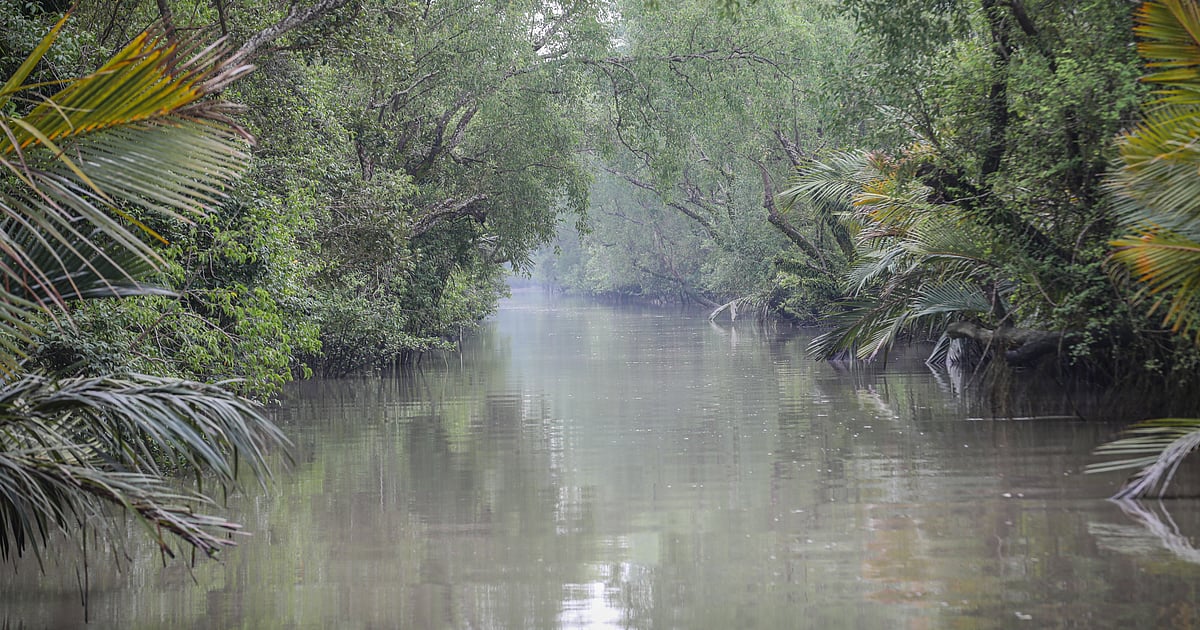
Recent air quality assessments have identified pollution concerns within the Sundarbans, prompting attention from environmental authorities and researchers tracking atmospheric conditions across South Asia. The mangrove forest, which spans approximately 10,000 square kilometers and straddles the Bangladesh-India border, plays a critical role in carbon sequestration and serves as a vital habitat for endangered species including the Bengal tiger.
The detected pollution levels underscore growing environmental pressures on the region, which faces multiple challenges including industrial emissions, agricultural burning in neighboring areas, and transboundary air circulation patterns. The Sundarbans has long been vulnerable to external pollution sources due to its geographic location in the densely populated Ganges Delta.
Environmental experts indicate that air pollution in the Sundarbans could have cascading effects on the forest ecosystem, affecting plant health and wildlife wellbeing. The region's mangrove vegetation plays a crucial role in regional climate regulation and coastal protection against cyclones and storm surge.
The findings add to existing concerns about the Sundarbans' ecological stability, which has been strained by saltwater intrusion, rising sea levels, and habitat degradation. Policymakers and conservation organizations are expected to review the pollution data as part of broader efforts to protect this internationally significant natural resource.