Air quality worsens to 'very unhealthy' in Jaffna as Cyclone Akvan draws pollutants into Sri Lanka
Health and environment officials urge children, older people, pregnant women and anyone with respiratory illness to take special care, limit outdoor activity and wear KN95 or N95 masks when travel is essential.
LSN Sri Lanka ·
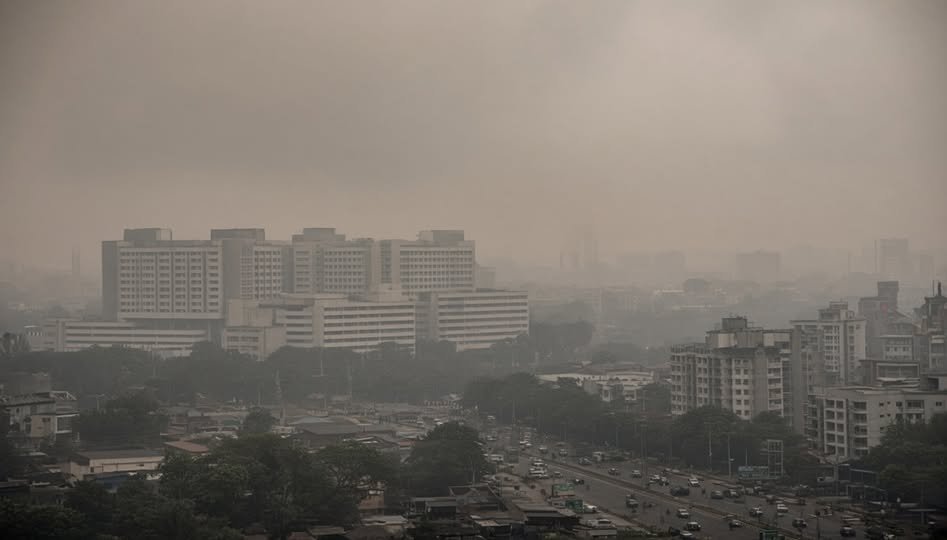
<p>Air quality in many parts of Sri Lanka's Northern, Eastern, North Central and Western provinces has fallen to "unhealthy" and "very unhealthy" levels, the Central Environmental Authority (CEA) says.</p>
<p>According to measurements taken this morning (November 19), the Air Quality Index (AQI) in Jaffna has crossed 200, placing it in the "very unhealthy" category.</p>
<p>AQI readings in Battaramulla (179), Chilaw (164), Kilinochchi (158), Anuradhapura (157), Mannar (155) and Trincomalee (151) are also in the "unhealthy" range.</p>
<p>The main cause is Cyclone Akvan, which is developing over the Bay of Bengal. Now at Severe Cyclonic Storm strength, Akvan is located about 700km north-east of Trincomalee. It is moving further north-north-west and is expected to make landfall on India's Andhra Pradesh coast around tomorrow (November 20).</p>
<p>Dr Ajith Gunawardena, Director of the CEA's Environmental Education and Awareness Division, said the cyclone has changed wind patterns, carrying pollutants from the direction of India, particularly PM2.5 and PM10 particles, into Sri Lanka.</p>
<p>This cross-border air circulation brought the pollution first to the north, from where it has gradually spread towards the centre of the country. Although the north-east monsoon usually provides the backdrop for pollutants to be carried in at this time of year, the most direct and powerful cause this time is the wind flow created by Cyclone Akvan, he said. Dr Gunawardena added that the country had faced similar episodes during this period in previous years.</p>
<p>As air quality dropped, hazy, mist-like conditions were seen this morning in several areas, including Colombo, Gampaha and Trincomalee. The CEA forecasts that the poor air quality could last another two or three days, and conditions are expected to improve gradually once Akvan makes landfall in India and the wind pattern changes.</p>
<p>Health and environment officials stress that young children, older people, pregnant women and people with respiratory conditions should take particular care. The public is advised to limit outdoor activities as much as possible and to wear KN95 or N95 masks on essential journeys.</p>
<p>The latest air quality data for the island can be checked on the CEA's AirShare platform (aq.cea.lk).</p>
<p>Translated from the LSN Sinhala edition.</p>