World · Singapore Bureau
Airlines scale back fuel hedging as Middle East tensions push jet fuel costs higher
Jet fuel prices have roughly doubled since the onset of Middle East hostilities, prompting carriers to reconsider hedging strategies and signal potential fare increases ahead. The aviation industry faces mounting pressure from supply constraints and geopolitical uncertainty.
LSN Singapore ·
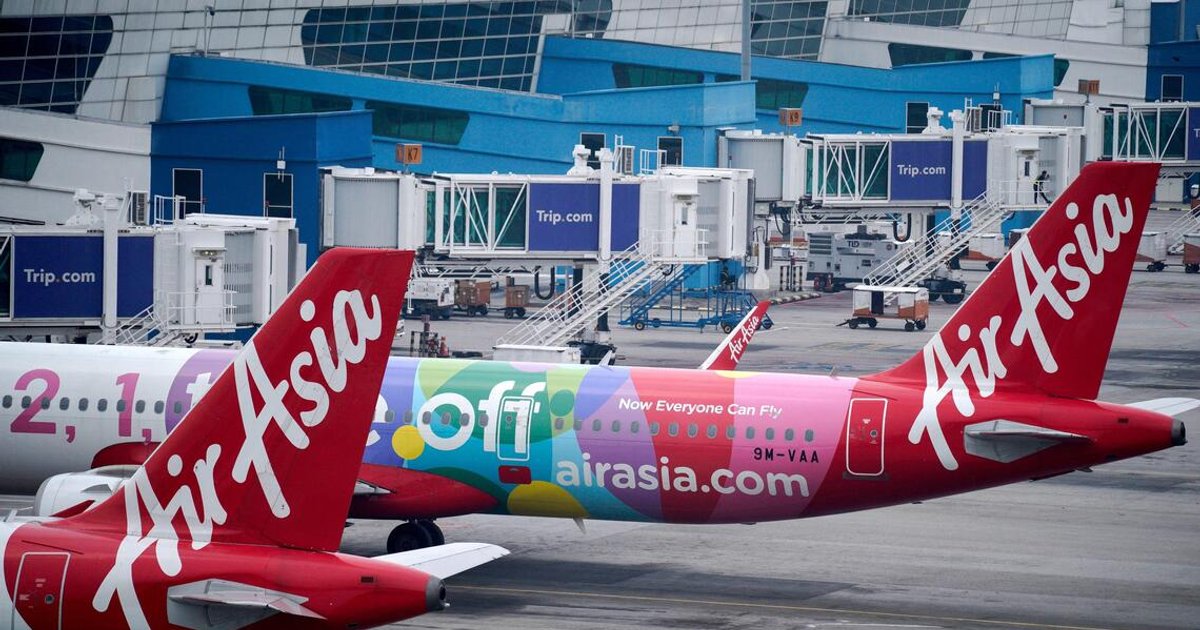
Jet fuel costs have surged to approximately twice their pre-conflict levels as ongoing tensions in the Middle East disrupt global energy supplies, forcing airlines across the region to reassess their fuel hedging policies. The sharp spike in aviation fuel prices has become a critical concern for carriers operating in South and Southeast Asia, where fuel represents a substantial operational cost.
Facing elevated and volatile fuel markets, several major airlines have begun pulling back from aggressive hedging strategies that were previously used to insulate operations from price fluctuations. Industry analysts suggest this shift reflects both the unpredictability of current geopolitical conditions and challenges in locking in favorable long-term fuel contracts amid supply constraints.
Carriers have begun warning stakeholders and passengers of potential fare increases in coming months if fuel prices remain elevated. The combination of reduced hedging coverage and constrained supply has left airlines with limited buffers against further price movements, raising concerns about the impact on ticket affordability across key regional routes.
The supply disruptions extend beyond immediate pricing concerns, with some industry observers flagging risks to flight schedules and network planning if energy markets remain unstable. Airlines are increasingly factoring geopolitical risk premiums into their financial forecasts, complicating efforts to maintain stable pricing and predictable operations.