Politics · India Bureau
Akhilesh Yadav courts Brahmins, traders with anti-incumbency pitch
The Samajwadi Party leader is positioning himself as a protector of upper castes and business communities, challenging the ruling BJP government's record on minority welfare.
LSN India ·
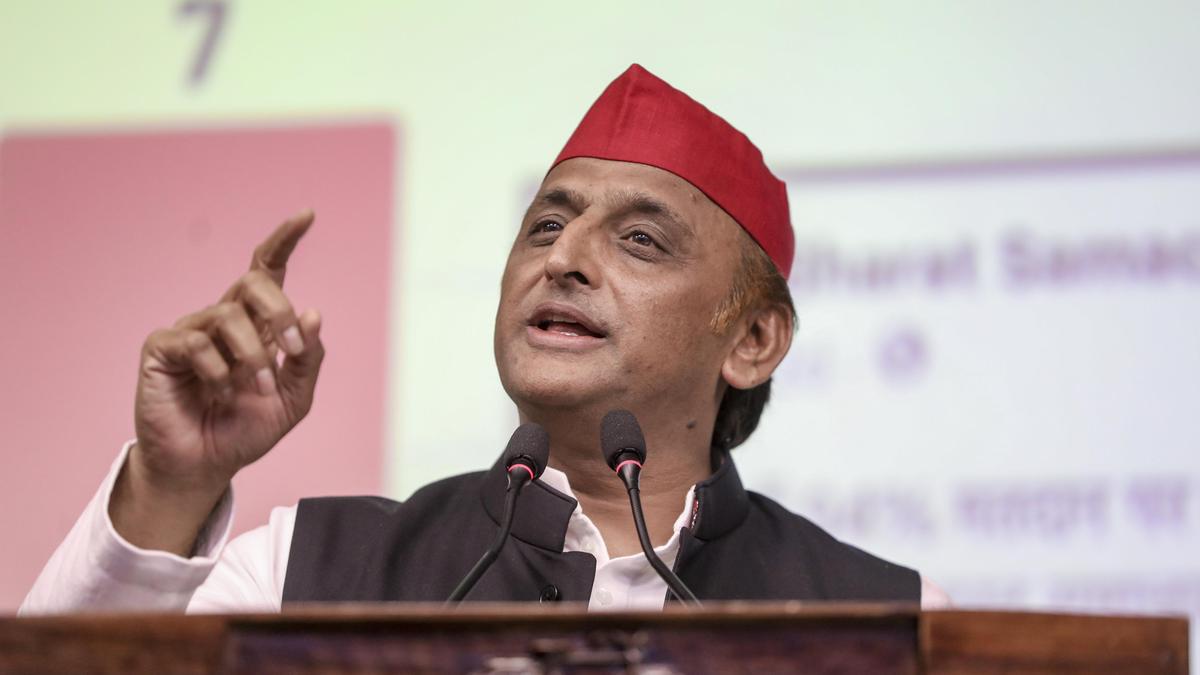
Akhilesh Yadav has intensified his political outreach to Brahmin and Bania communities in Uttar Pradesh, framing his campaign around accusations that the state government has sidelined these traditionally influential groups. The Samajwadi Party chief is attempting to carve out electoral space by contrasting Gorakhpur and Kashi—constituencies associated with different political narratives and voter demographics.
The strategy represents a calculated bid to expand his party's base beyond its traditional support among backwards castes and minorities. By positioning himself as a defender of Brahmin and business community interests, Yadav is seeking to fracture the ruling BJP's coalition, particularly among urban traders and landowning agricultural castes who have historically wielded significant political influence in the state.
The pitch comes as state politics enters a competitive phase, with multiple parties vying for voter attention. Akhilesh's narrative emphasizes administrative neglect and alleged discriminatory policies, arguing that the incumbent regime has deprioritized concerns of upper castes and entrepreneurs. The move signals an attempt to recalibrate the opposition's electoral mathematics in a state where caste-based political mobilization remains central to campaign strategy.
Political analysts suggest the Samajwadi Party is testing whether traditional upper-caste constituencies might be persuaded to switch allegiances through anti-incumbency messaging, particularly if coupled with assurances on business-friendly policies and administrative responsiveness.