Culture & Entertainment · India Bureau
Alabama Monk's Half-Century Labour Creates Miniature Religious Landmarks
A Benedictine monk in northern Alabama spent 46 years crafting intricate scale models of religious sites from around the world, creating a unique folk-art collection that has become a historic tourist attraction.
LSN India ·
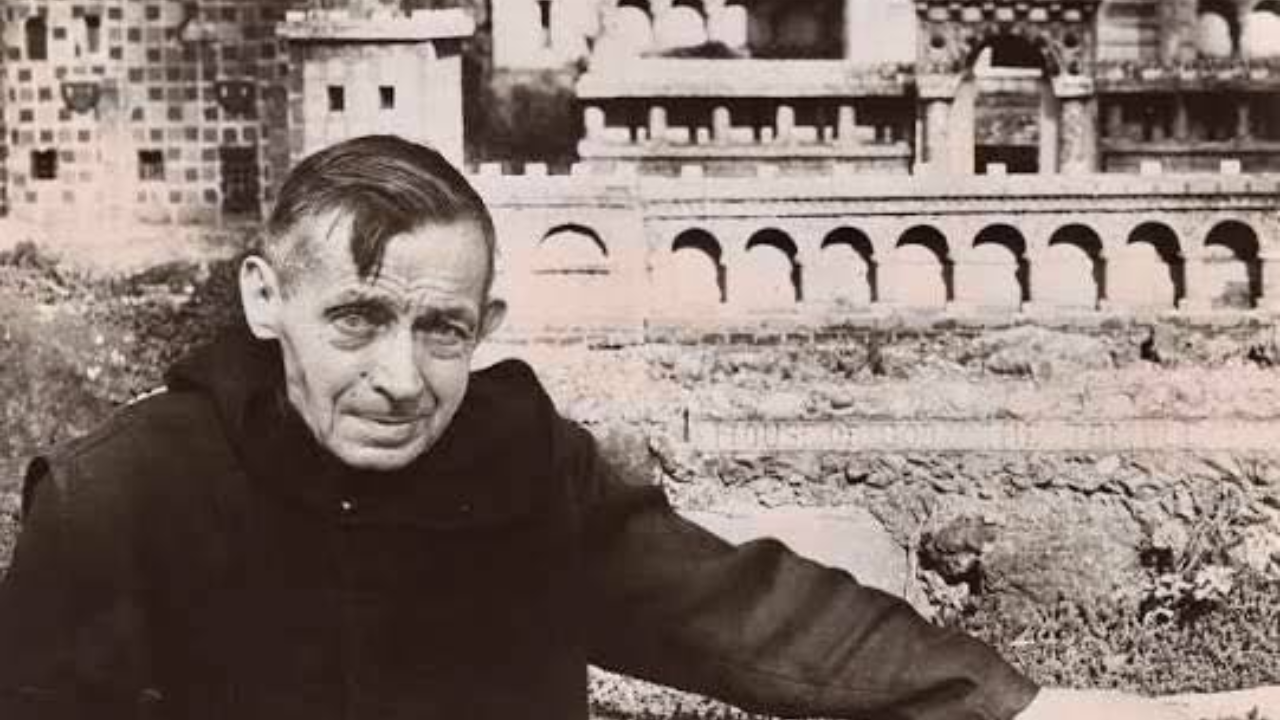
Brother Joseph Zoettl, a monk at a Benedictine monastery in Alabama, embarked on an extraordinary artistic journey beginning in 1912 that would span nearly five decades. Working with limited resources and relying heavily on postcards and donated jewellery, Zoettl meticulously recreated 125 miniature religious landmarks on the monastery's grounds.
The Ave Maria Grotto, as the collection came to be known, occupies a picturesque four-acre property in northern Alabama. Zoettl's resourcefulness in constructing these detailed architectural models from unconventional materials—many of the intricate features fashioned from jewellery donated by visitors and supporters—demonstrated both artistic vision and creative ingenuity. Most remarkably, many of the sites Zoettl replicated were places he had never personally visited, relying instead on photographic references and descriptions.
The grotto's historical significance was formally recognized in 1984 when it was included in the National Register of Historic Places. This designation acknowledged the collection's importance as a distinctive example of American folk art and religious devotion. The site continues to draw visitors seeking to experience Zoettl's labour of faith and artistic expression.
Today, the Ave Maria Grotto stands as a testament to one man's dedication and imagination, showcasing how spiritual conviction and creative determination can produce enduring cultural landmarks that transcend their original purpose to become tourist destinations and historical treasures.