Politics · India Bureau
Alaska court halts gravel mine over environmental and noise concerns
Alaska's Supreme Court has upheld a decision blocking a gravel extraction project in Anchor Point after years of legal disputes. The ruling concludes that environmental impacts, including noise and visual disturbances, could not be adequately mitigated.
LSN India ·
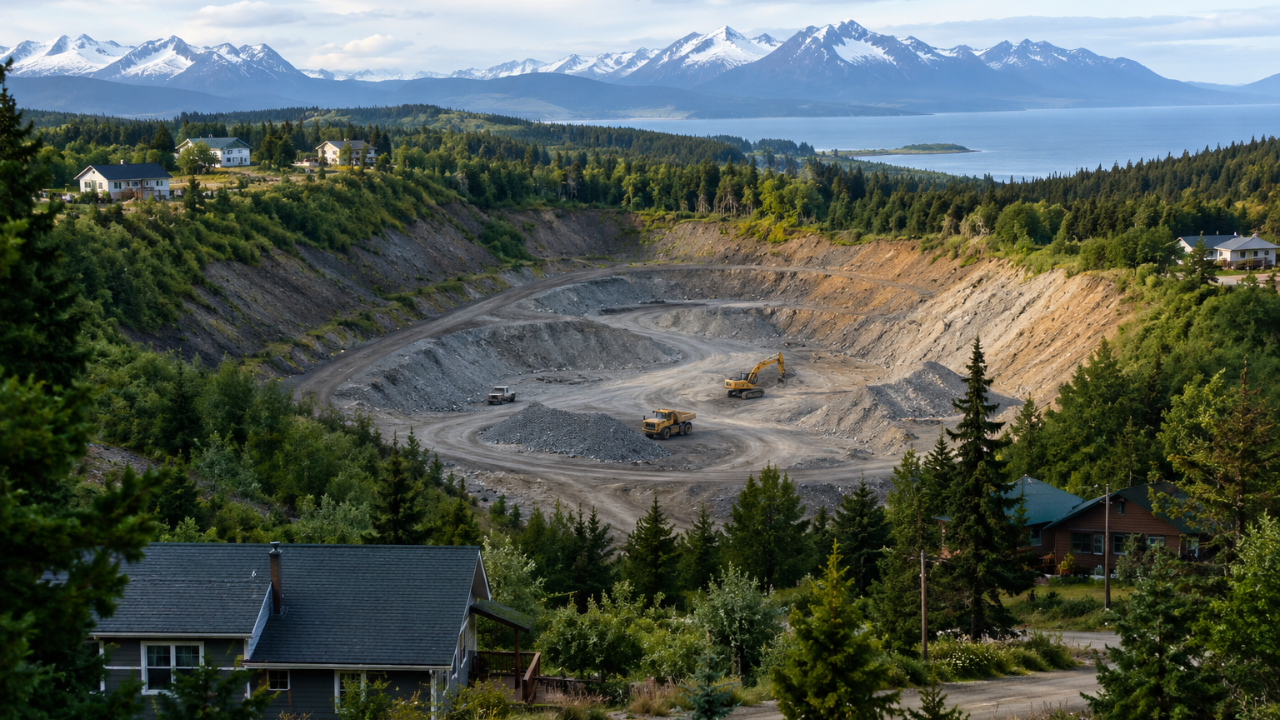
The Alaska Supreme Court in October 2026 delivered a final ruling against Beachcomber LLC's proposed gravel mine in Anchor Point on the Kenai Peninsula, ending a protracted dispute between the company and local residents. The court's decision upheld the Kenai Peninsula Borough Planning Commission's original rejection of the mining permit, which had been contested through multiple appeals over several years.
The planning commission had initially denied the permit citing significant environmental impact concerns. Local residents had mounted sustained opposition to the project, raising alarm over potential disruptions from mining operations. The court's examination of the evidence revealed that proposed mitigation measures would be insufficient to address the project's adverse effects.
In its ruling, the Alaska Supreme Court determined that substantial evidence demonstrated the gravel mine could generate considerable noise pollution and create undesirable visual changes to the landscape. The decision noted that these environmental and aesthetic impacts could not be minimized to acceptable levels, regardless of the company's mitigation proposals.
The verdict marks a significant victory for environmental advocates and residents in the region who have campaigned against the project. The ruling also reinforces the authority of local planning commissions to protect communities from potentially harmful industrial developments, particularly when environmental safeguards prove inadequate.