World · India Bureau
Alaska's Gold Rush Boom and Bust: Koyukuk's Fleeting Prosperity
The Koyukuk gold rush of 1898 saw a dramatic influx of fortune seekers and commercial activity to Alaska's remote interior. Within decades, however, the boomtowns that emerged from the stampede had largely disappeared, leaving little trace of the era's frenzied prosperity.
LSN India ·
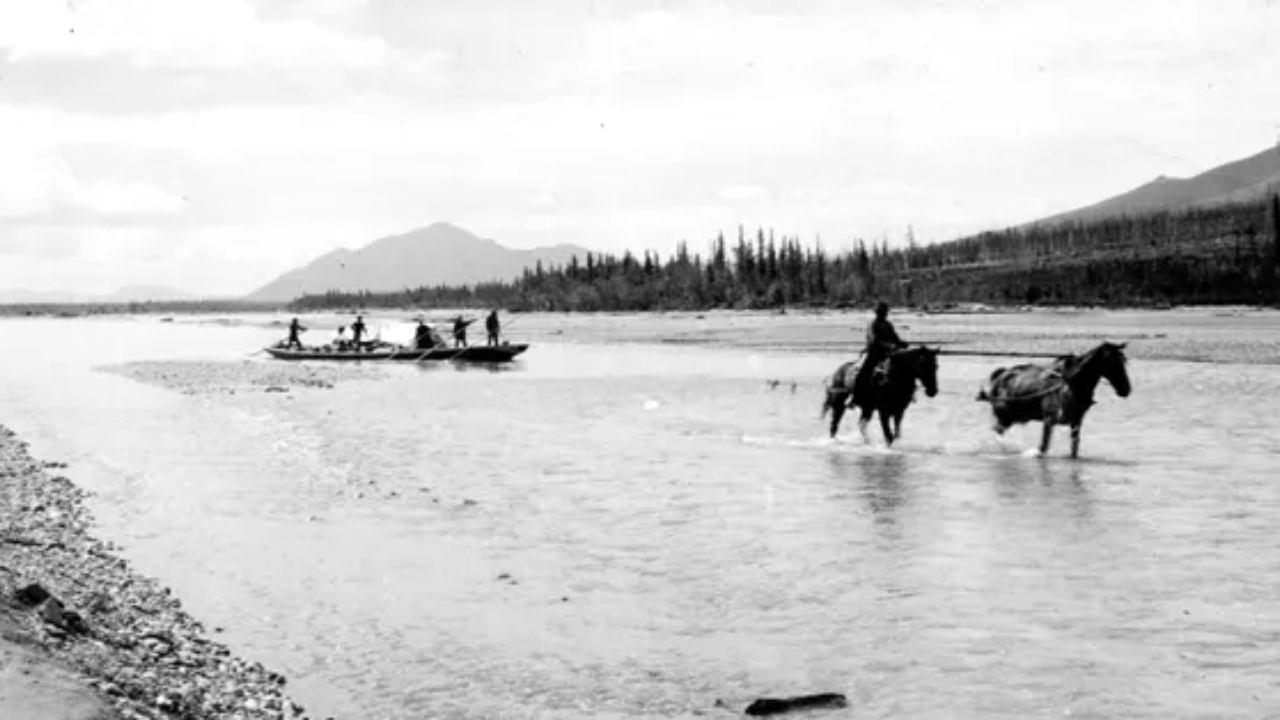
The discovery of gold in Alaska's Koyukuk region sparked one of North America's most remarkable resource booms at the turn of the 20th century. In 1898 alone, approximately 70 steamers navigated the region's waterways, ferrying prospectors, supplies, and equipment to support the burgeoning mining operations. The influx of people and capital transformed the remote Alaskan landscape virtually overnight, establishing hastily constructed settlements that served the needs of gold seekers and their support networks.
These frontier communities experienced meteoric growth during the peak of the rush. Trading posts, saloons, and supply houses rapidly proliferated to service the mining operations and accommodate the transient population drawn by the promise of wealth. The settlements became the economic and social centers of interior Alaska during this period, drawing entrepreneurs and laborers from across North America and beyond.
However, the prosperity proved ephemeral. As the easily accessible gold deposits became exhausted and mining operations proved less profitable than initially anticipated, the incentive to maintain these remote outposts diminished sharply. By 1921, merely two decades after the height of the rush, the majority of the boomtowns had been abandoned. The structures that had housed thousands gradually succumbed to Alaska's harsh climate, leaving behind only scattered ruins and historical records of a fleeting era.
The Koyukuk experience exemplified the broader pattern of resource-driven booms and busts that characterized frontier development in North America during the late 19th and early 20th centuries. The rapid emergence and abandonment of these communities underscored the speculative nature of gold rush economies and the challenges of sustaining settlements in remote, resource-dependent regions.