World · India Bureau
Alaska's rat eradication on Hawadax Island hailed as ecological success
Two centuries after rats invaded an Aleutian island, wildlife managers have successfully eliminated the invasive species, triggering a dramatic recovery of native bird populations. The restoration effort has restored the island's indigenous name and set a new benchmark for invasive species management globally.
LSN India ·
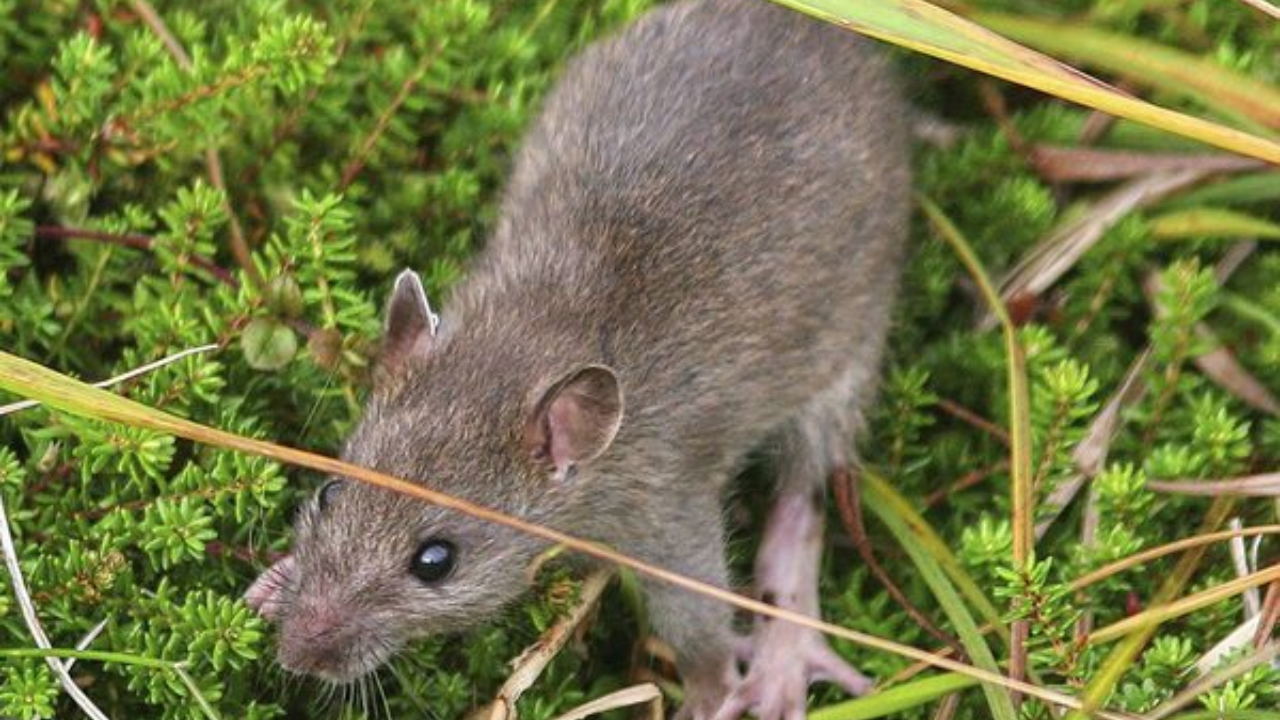
Hawadax Island in Alaska's Aleutian archipelago has undergone a remarkable ecological transformation following the eradication of invasive rats from its 6,869 acres. The rodents, which had inhabited the island for over 200 years, had decimated native bird populations and disrupted the fragile island ecosystem.
Within two years of the rat removal operation, native bird populations surged by more than 200 percent, marking one of the most dramatic wildlife recoveries documented in recent conservation efforts. Seabirds previously thought to be extinct in the region have begun returning to the island, establishing nesting colonies on its cliffsides.
The successful project included the restoration of the island's original Unangan name, Hawadax, replacing the name it had carried during the period of rat infestation. The initiative represents a significant achievement in invasive species management and provides a model for similar ecological restoration projects worldwide.
The recovery demonstrates the cascading benefits that can result from removing invasive species, as native flora and fauna return to reclaim their historical habitats. Conservation experts view the Hawadax Island project as a blueprint for addressing invasive species challenges on other remote and ecologically sensitive islands.