Politics · World News Bureau
Albania's leaderless youth movement demands Prime Minister Rama step down
A decentralized protest movement has emerged in Albania, with young demonstrators challenging Premier Edi Rama's government through what activists describe as a 'horizontal revolt.' The uprising builds on years of youth activism seeking political change.
LSN World News ·
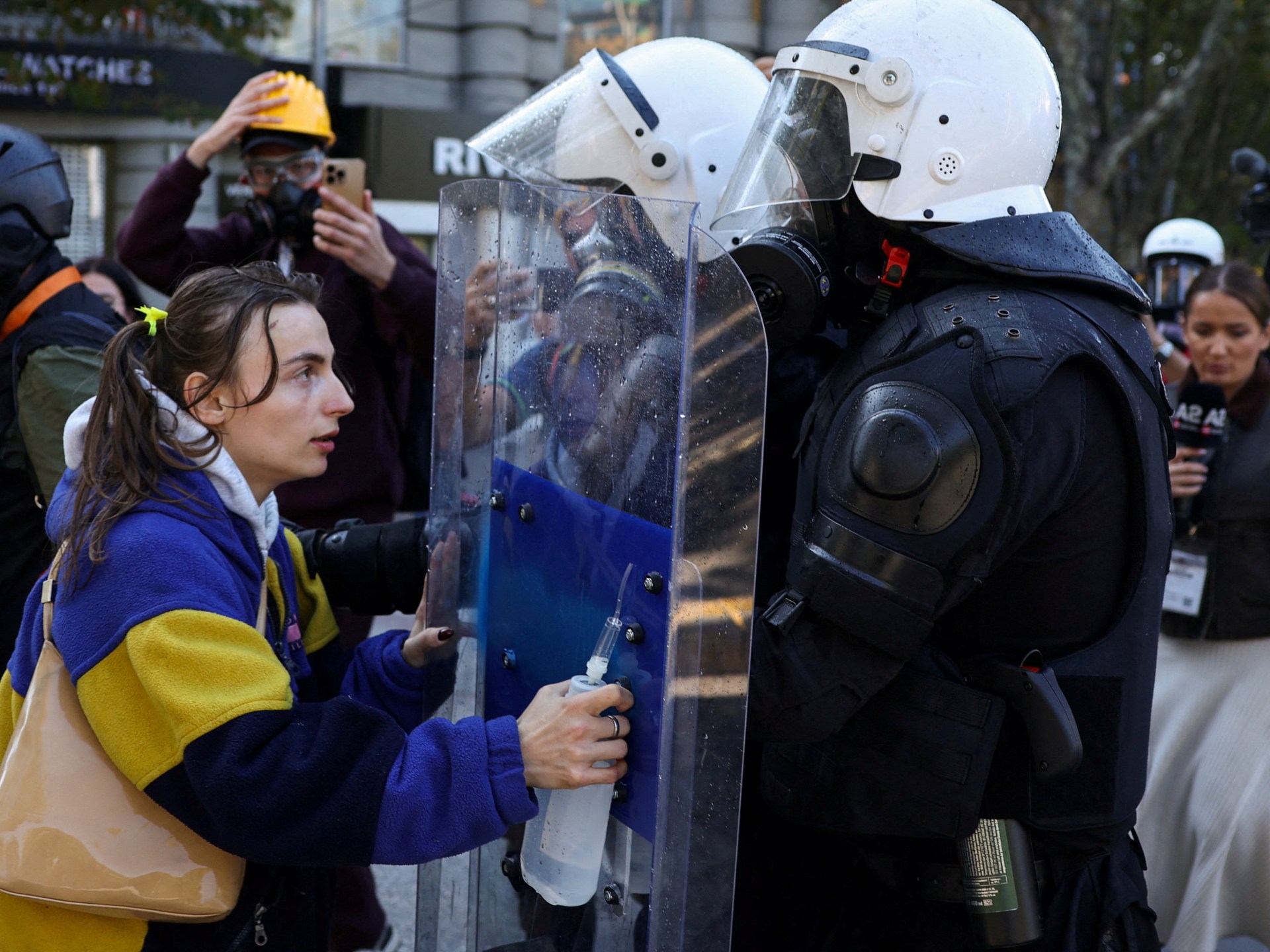
Young Albanians have mobilized in recent weeks to demand the resignation of Prime Minister Edi Rama, organizing through a deliberately leaderless structure that eschews traditional hierarchical protest movements. The demonstrations, characterized by participants as a 'horizontal revolt,' represent the latest chapter in a broader pattern of youth-led activism challenging the government's direction.
The current wave of protests follows previous youth-driven movements, including demonstrations dubbed the 'Flamingo Revolution,' which sought to galvanize political reform among Albania's younger generation. Organizers emphasize decentralized decision-making and grassroots coordination rather than relying on formal leadership structures, a strategy designed to maintain momentum and prevent co-optation.
The youth movement's grievances center on governance, economic opportunity, and political accountability. Protesters argue that Rama's administration has failed to address systemic corruption, inadequate employment prospects, and institutional dysfunction that disproportionately affects young Albanians seeking to build futures in their country.
The leaderless nature of the protests distinguishes them from conventional opposition politics in Albania. By rejecting formal organizational structures and spokespersons, participants seek to create a distributed movement resistant to government pressure or attempts to marginalize specific individuals. Social media and peer-to-peer networks serve as primary coordination mechanisms for mobilizing demonstrations and maintaining public attention.
Rama's government has held power through multiple election cycles, weathering previous challenges to his tenure. The current protests reflect broader frustration among Albania's youth demographic with the pace and scope of political change, suggesting deepening generational tensions within the country's political landscape.