World · World News Bureau
Alpha-gal syndrome prompts meat allergy sufferers to explore unconventional protein sources
People diagnosed with alpha-gal syndrome, a tick-borne condition that triggers allergic reactions to mammalian meat, are increasingly turning to exotic animal proteins as dietary alternatives. The shift reflects growing awareness of the condition and creative adaptations to maintain nutritional balance.
LSN World News ·
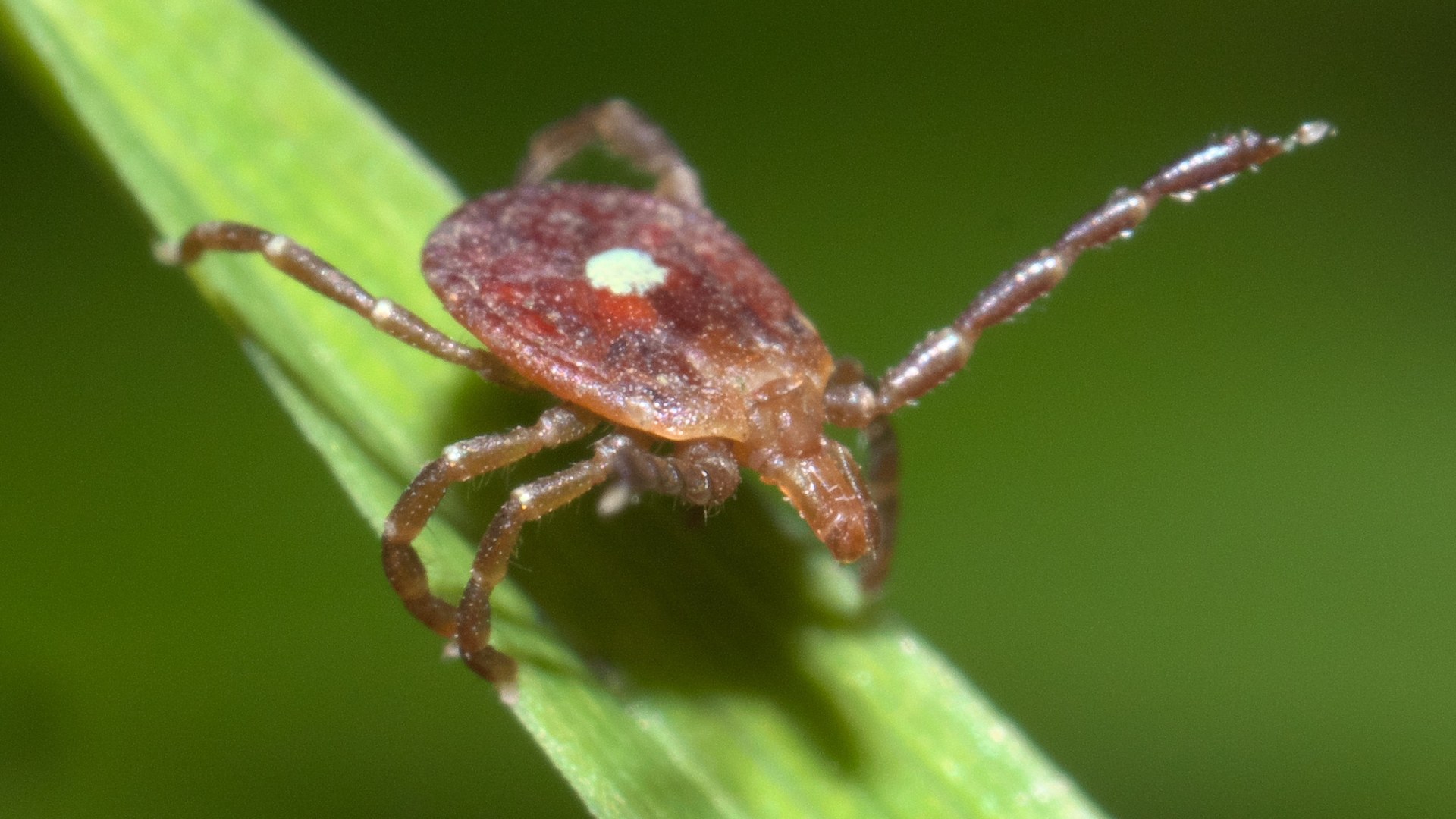
Alpha-gal syndrome, an allergic condition transmitted through tick bites, has emerged as an unexpected dietary challenge for an expanding patient population. The condition causes immune reactions to a carbohydrate found in mammalian meat, effectively eliminating beef, pork, lamb, and venison from conventional diets. Affected individuals have begun exploring protein sources from non-mammalian animals to address nutritional gaps while managing their condition.
Traditional livestock alternatives have proven insufficient for many patients seeking variety and adequate protein intake. Medical professionals and dietary specialists have noted that patients are experimenting with game birds, kangaroo, and other exotic meats that do not trigger alpha-gal reactions. These alternatives provide comparable nutritional profiles to conventional beef and pork while circumventing the allergenic response.
The phenomenon underscores a broader recognition of alpha-gal syndrome within medical and patient communities. Tick-borne transmission of the condition has accelerated its prevalence in certain geographic regions, prompting dietary adaptation strategies among affected populations. Food manufacturers and specialty retailers have begun responding to this emerging market segment, developing products and sourcing options tailored to alpha-gal patients' requirements.
Experts emphasize the importance of proper medical guidance for patients navigating dietary restrictions imposed by the condition. While exotic meat alternatives offer practical solutions, maintaining balanced nutrition requires careful planning. Support networks and dietary counseling have become increasingly valuable resources for individuals managing alpha-gal syndrome and seeking sustainable long-term dietary approaches.
Photo: A lone star tick (Amblyomma americanum), the tick species linked to alpha-gal syndrome, June 2015. xpda via Wikimedia Commons (CC BY-SA 4.0).