World · India Bureau
Amazon's treacherous wetlands pose deadly risks to human explorers
Deep within the Amazon Basin lies a landscape where a single misstep can prove fatal. The region's expansive swamplands present multiple hazards that make human exploration exceptionally perilous.
LSN India ·
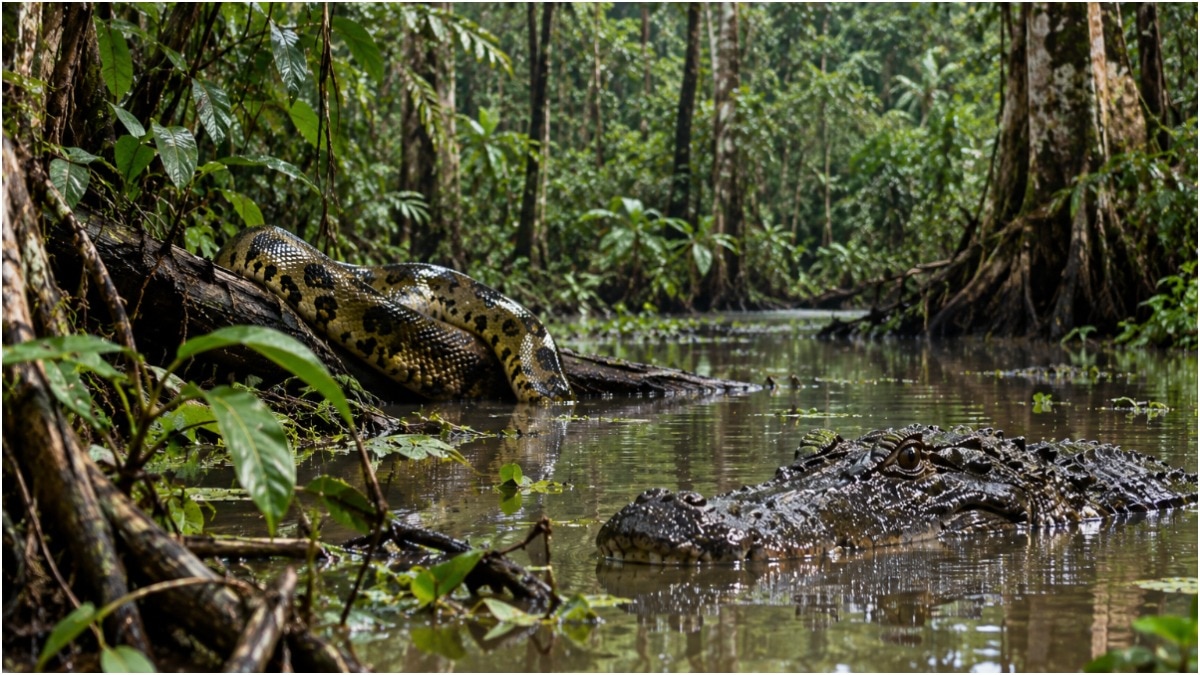
The Amazon Basin is renowned for its dense forests and fearsome wildlife, but its wetland regions present dangers that are equally formidable. These marshy expanses are characterized by deceptively deep water and extremely soft mud that can quickly engulf unsuspecting visitors, making escape extraordinarily difficult once someone becomes trapped.
The terrain itself represents a primary threat to human safety. The combination of unstable ground and unpredictable water depths creates conditions where conventional footing becomes impossible. Travelers attempting to navigate these areas cannot rely on solid ground to support their weight, forcing them to employ specialized techniques and equipment to move through the landscape.
Beyond the environmental hazards, the wetlands are home to apex predators that add another layer of danger. Black caimans and green anacondas—among South America's most formidable reptiles—inhabit these swamplands, posing significant threats to any human presence. These predatory species have evolved to thrive in the challenging wetland environment and actively hunt in the murky waters and surrounding vegetation.
The combination of treacherous terrain, deep water hazards, and deadly wildlife makes the Amazon's wetland regions among the most inhospitable environments on Earth for human exploration. Even experienced adventurers face extreme risks when venturing into these areas.