World · India Bureau
America's 6,800-kg 'Daisy Cutter' bomb: the weapon that shaped modern warfare
Originally developed to clear landing zones in Vietnam's dense jungles, the massive GBU-43 Massive Ordnance Air Blast bomb became one of the most feared weapons in the U.S. arsenal, seeing action across multiple conflict zones.
LSN India ·
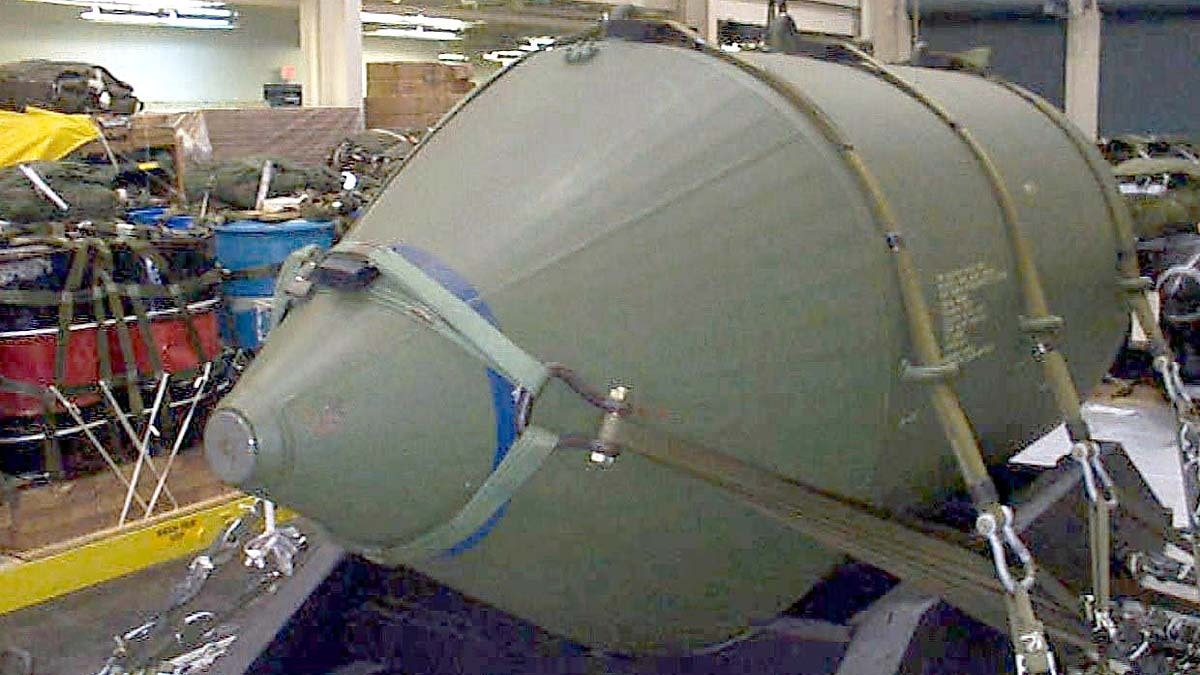
The 6,800-kilogramme bomb, colloquially known as the 'Daisy Cutter,' was initially designed during the Vietnam War to create helicopter landing zones by flattening thick forest terrain. Its devastating blast radius and destructive capability made it a subject of considerable military interest and strategic importance across subsequent conflicts.
Following its deployment in Southeast Asia, the weapon system saw further operational use in Iraq and Afghanistan, where its immense explosive force made it one of the most powerful non-nuclear munitions in the U.S. military inventory. The bomb's effectiveness lay not only in its sheer destructive power but also in the psychological impact it had on adversaries.
The weapon's reputation for causing massive devastation was so pronounced that British military personnel who experienced its detonation reportedly mistook the impact for a nuclear explosion. The enormous blast wave and the scale of destruction it generated created confusion about the nature of the attack, underscoring the profound military and psychological significance of the weapon.
The 'Daisy Cutter' represented a significant evolution in conventional weapons technology, bridging the gap between standard ordnance and weapons of mass destruction in terms of destructive capability. Its development and deployment reflected broader trends in military innovation during the late 20th century, influencing tactical approaches to warfare in contested terrain.