Business · India Bureau
American artist's Connecticut farm becomes enduring art legacy
What began as an unconventional real estate transaction in 1882—a painting and $10 for 153 acres—evolved into one of America's most significant artistic spaces. The Connecticut property that artist Julian Alden Weir purchased has since been preserved as a national historical park showcasing the development of American Impressionism.
LSN India ·
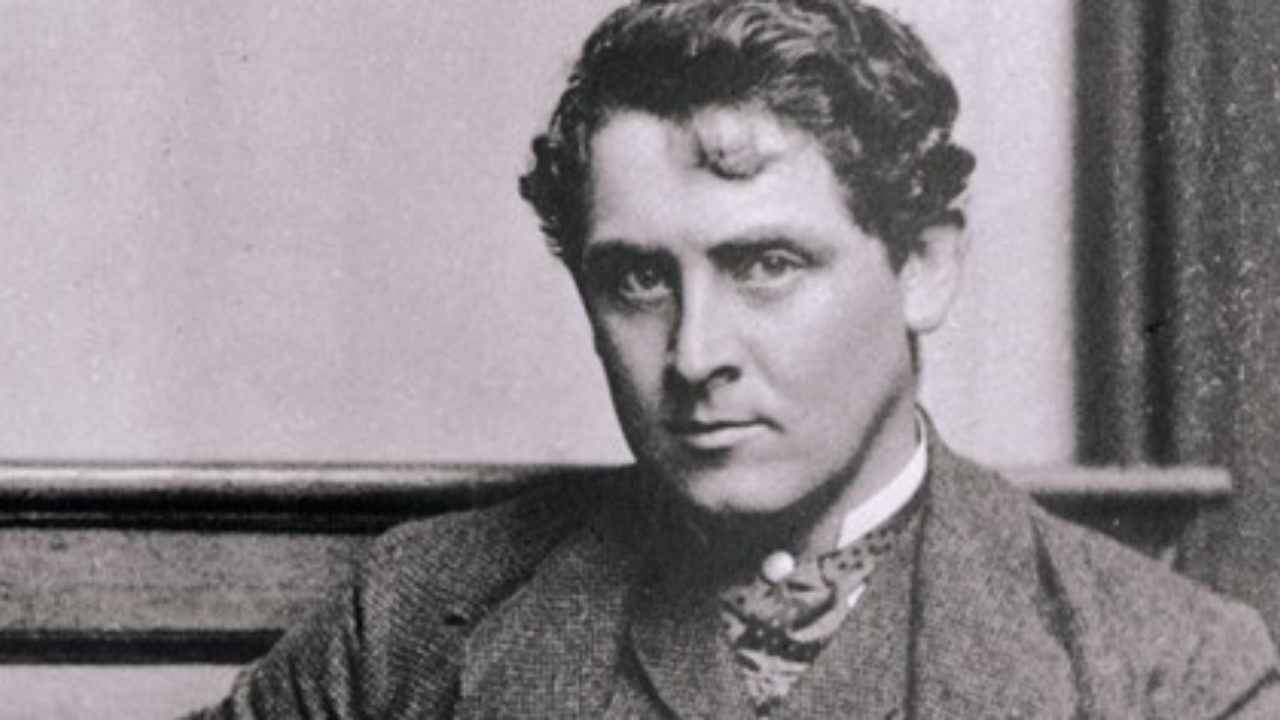
Julian Alden Weir's acquisition of a Connecticut farm in 1882 marked a turning point not only in his artistic career but also in the history of American art. The artist completed the unusual transaction with a single painting and a monetary payment of $10, establishing what would become his home, studio, and creative sanctuary for decades to come.
Initially known for his work in portraiture and still life painting, Weir underwent a significant artistic transformation after settling on the property. Immersion in the farm's surrounding landscape gradually shifted his focus toward landscape painting and, eventually, toward Impressionism—a style that would define much of his later work and influence countless artists who visited the site.
The farm's reputation as an artistic hub attracted numerous visiting artists throughout the late 19th and early 20th centuries, establishing it as an important gathering place for the American art community. The property became a center for artistic exchange and experimentation during a pivotal period in American cultural development.
Today, the site operates as Weir Farm National Historical Park, functioning as a custodian of this artistic heritage. The park maintains a collection exceeding 300 works that document the evolution of American Impressionism and preserve the legacy of one artist's transformative vision. The preserved farm continues to serve as both a historical record and an active space for artistic creation and education.