World · India Bureau
American farmer pivots from cotton to sheep, reverses fortunes dramatically
A Texas farmer has transformed his agricultural operations by shifting from traditional cotton cultivation to sheep grazing, converting significant losses into substantial profits. The strategic pivot demonstrates how diversification and adaptive farming practices can reshape rural enterprise economics.
LSN India ·
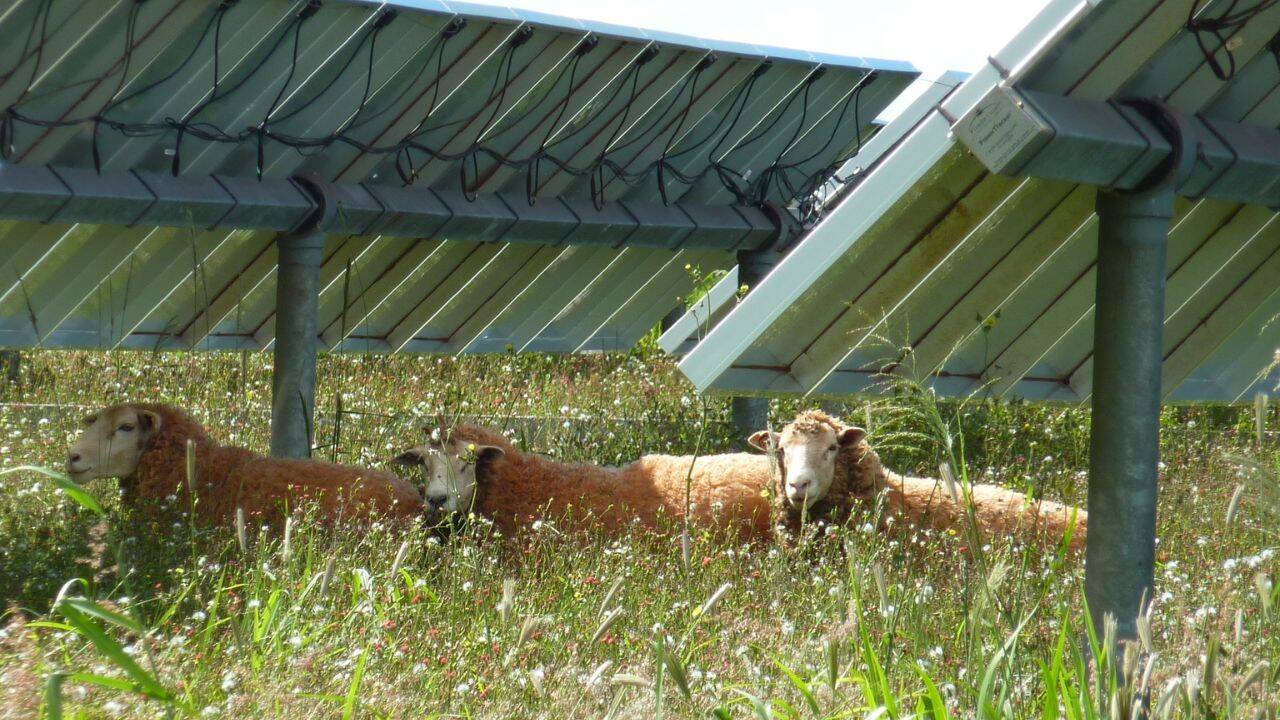
A Texas-based farmer has achieved a remarkable financial turnaround by abandoning cotton production in favor of sheep grazing operations. The transition has reversed a previous $200,000 annual loss into a $300,000 profit, illustrating the potential benefits of agricultural diversification in response to market pressures.
The shift reflects broader challenges confronting traditional cotton farmers across the United States, where commodity price volatility and rising input costs have strained profitability. Rather than persisting with established practices, the farmer recognized sheep grazing as a viable alternative that better suited current economic conditions and land management objectives.
Agricultural experts note that livestock diversification has emerged as an increasingly popular strategy among American farmers seeking to stabilize income streams and improve sustainability. Sheep operations require different management approaches than row crops, with grazing systems offering potential benefits including improved soil health and reduced chemical input requirements.
The $500,000 swing in annual financial performance demonstrates the magnitude of change such strategic pivots can generate. The farmer's experience suggests that established agricultural operations willing to embrace significant operational changes may discover pathways to renewed profitability in competitive rural markets.
This case underscores growing recognition among farming communities that traditional commodity production alone may prove insufficient for long-term viability, encouraging producers to explore alternative enterprises and integrated farming systems.