Business · India Bureau
American farmer's renewable energy plan derailed by regulation, medical debt
An Ohio farmer banking on solar lease revenue to cover mounting medical expenses saw his plans collapse when local opposition and regulatory changes blocked the project. The case has sparked renewed debate over farmers' property rights in the United States.
LSN India ·
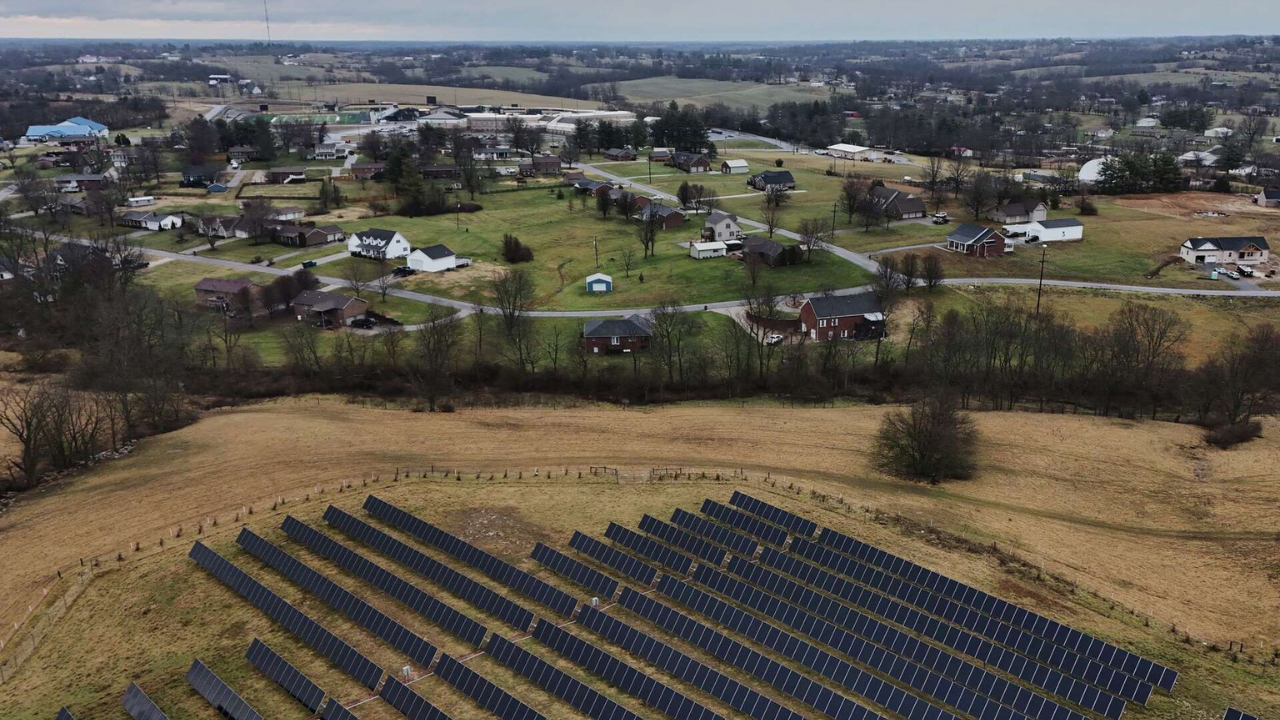
Wayne Greier, a farmer in Ohio, faced a financial crisis when a solar energy lease that promised annual revenue of $540,000 fell through due to local resistance and new regulatory restrictions. The failed project proved particularly devastating for Greier, who was counting on the income to address $1 million in medical debt accumulated following recent health complications.
With renewable energy income no longer viable, Greier was forced to liquidate assets, selling off land and equipment to manage his mounting obligations. The situation threatened the viability of his farming operation and left his family's long-term financial security in question.
The experience has transformed Greier into an advocate for farmers' property rights, pushing for greater protections that would allow agricultural landowners to pursue renewable energy projects without facing prohibitive local or regulatory barriers. His case reflects broader tensions in rural America between community concerns about land use and farmers' efforts to diversify income streams and secure financial stability.
The incident highlights the financial vulnerabilities facing American farmers, who often operate with thin profit margins and face unexpected expenses that can quickly destabilize their operations. Renewable energy leases have emerged as a potential lifeline for many farmers seeking supplementary revenue, but regulatory and community resistance can quickly eliminate that option.