Business · India Bureau
American Industrialist's Nature Legacy Inspires Conservation Model
A Seattle shipbuilder who sold his thriving enterprise for $3.5 million in 1906 transformed his focus toward environmental stewardship, creating a lasting public legacy through land conservation.
LSN India ·
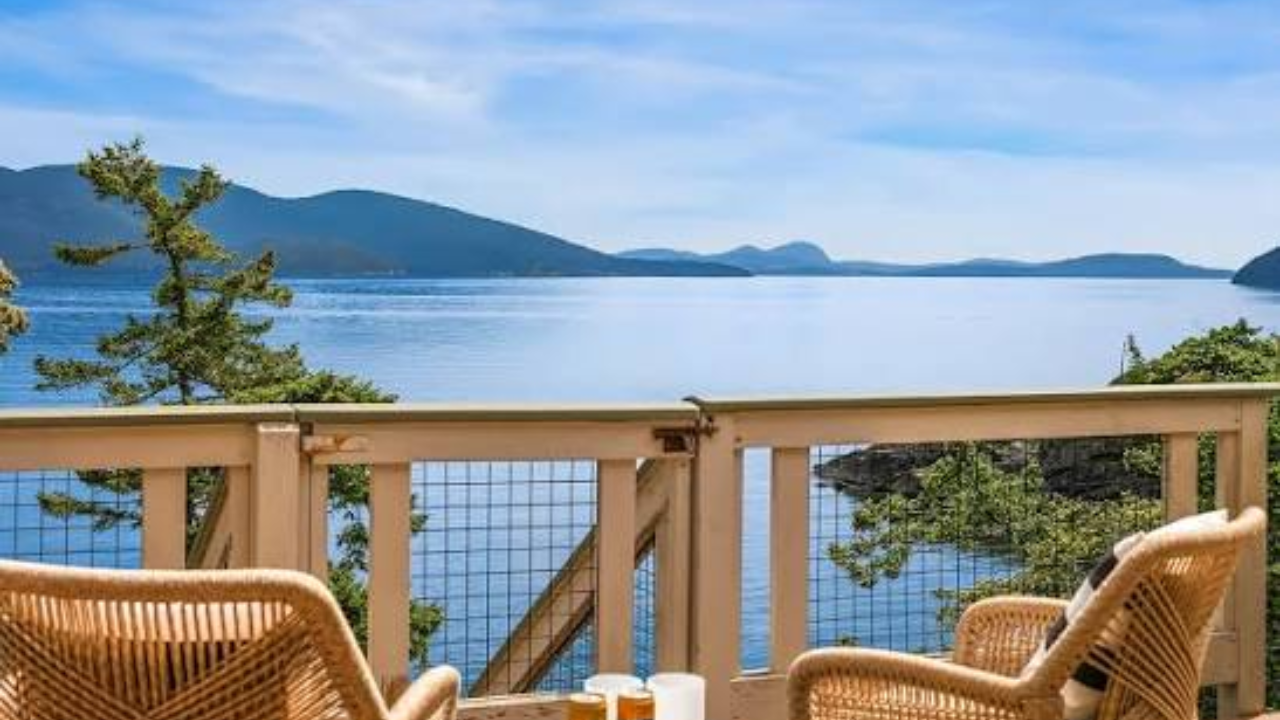
Robert Moran, a prominent American industrialist, achieved considerable success in the Pacific Northwest's shipbuilding sector before pivoting toward a more contemplative chapter in his life. Following the sale of his shipbuilding company in 1906, Moran channeled his resources into developing an expansive estate on Orcas Island, establishing what would become a model for private conservation efforts in the United States.
Upon receiving a terminal health diagnosis, Moran made the transformative decision to prioritize environmental preservation over personal accumulation. Rather than viewing his diagnosis as purely limiting, he embraced the opportunity to connect with the natural world and safeguard the pristine landscape of Orcas Island for future generations.
Recognizing the broader public benefit of conservation, Moran generously donated significant portions of his estate lands to establish what is now known as Moran State Park. This philanthropic gesture proved particularly valuable during the Great Depression, when the park became an accessible recreational refuge for communities facing economic hardship.
Moran's conservation initiative extended beyond a single generous donation, establishing a framework for ongoing environmental stewardship and community engagement. His legacy continues to influence modern approaches to land preservation in the Pacific Northwest, demonstrating how private philanthropy can create enduring public benefit and environmental protection.