World · India Bureau
American photographer's 1851 eclipse image marks milestone in scientific documentation
A groundbreaking photograph captured during a total solar eclipse in 1851 by an American photographer represents one of the earliest successful images of this rare celestial phenomenon. The achievement marked a significant advance in both astronomy and photographic technology of the era.
LSN India ·
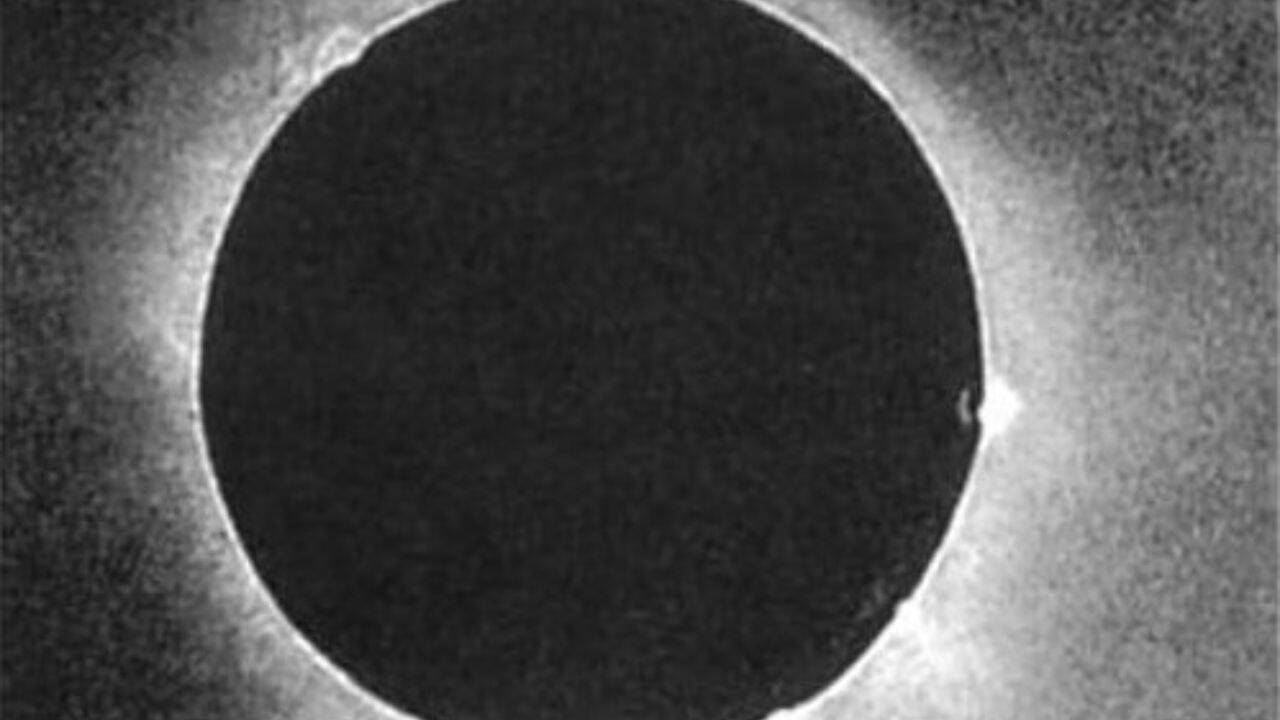
The photograph, taken during the 1851 total solar eclipse, stands as a landmark moment when emerging photographic techniques were first successfully applied to document one of nature's most spectacular events. The American photographer's work demonstrated the feasibility of capturing solar phenomena through the camera lens, a technical feat that was far from assured given the limitations of 19th-century equipment and exposure times.
Total solar eclipses have long fascinated scientists and observers worldwide, but documenting them visually proved extraordinarily challenging in the pre-modern photography era. The combination of the eclipse's brief duration and the technical difficulties of early cameras made successful image capture a remarkable achievement. This 1851 photograph contributed valuable data to the scientific understanding of the sun's corona and outer atmosphere, which becomes visible only during totality.
The historic image represents the intersection of advancing photographic innovation and astronomical inquiry during the mid-19th century. As photographic technology continued to develop, eclipse documentation became an increasingly important tool for solar scientists, paving the way for more sophisticated observations in subsequent decades. The pioneering work of early eclipse photographers helped establish traditions of scientific documentation that persist in modern astronomical research.