Culture & Entertainment · India Bureau
American wilderness pioneer's off-grid cabin legacy inspires global living debate
Anne LaBastille, a pioneering figure in sustainable wilderness living, constructed a minimalist 12-by-12-foot cabin in New York's Adirondack Mountains without electricity or road access. Her remarkable self-sufficiency experiment, documented in her acclaimed memoir series, has left an enduring imprint on environmental conservation and alternative living movements worldwide.
LSN India ·
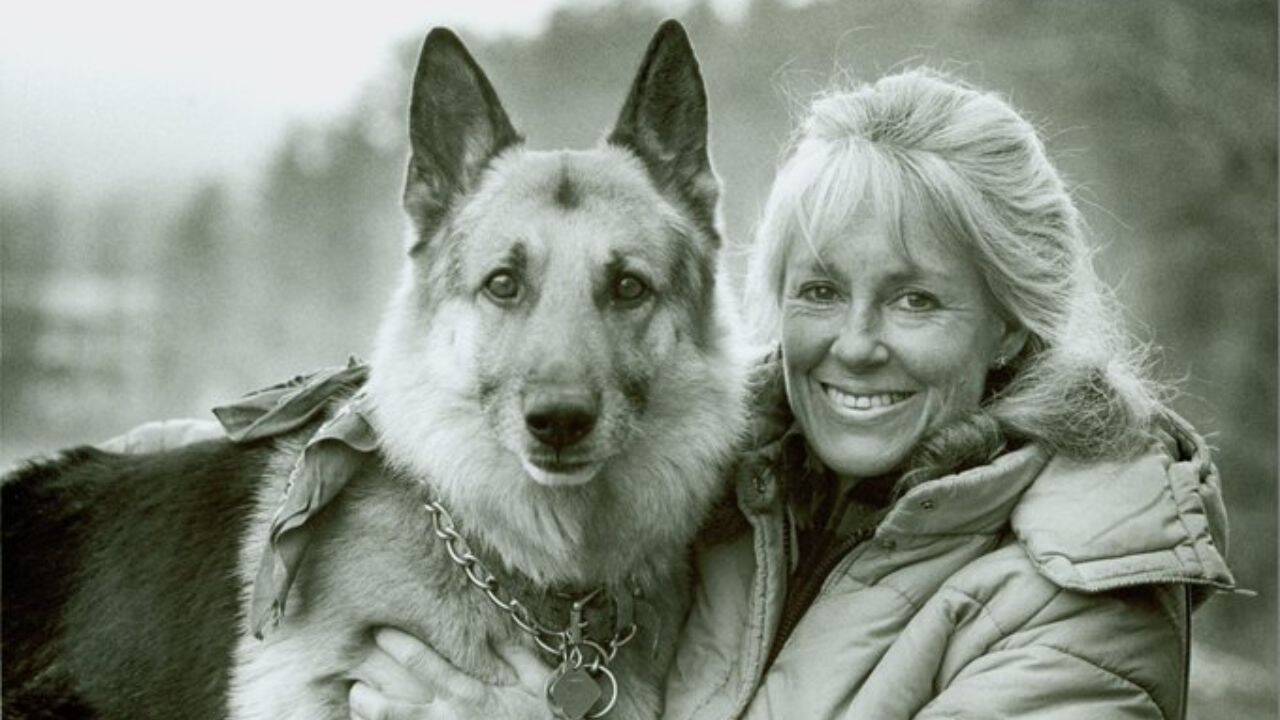
LaBastille's deliberate choice to abandon modern conveniences and build a secluded dwelling in the Adirondack wilderness during the latter half of the twentieth century challenged prevailing assumptions about necessary infrastructure and comfort. Her modest cabin, devoid of electricity or vehicular access, served as both residence and laboratory for sustainable living practices that would later influence environmental movements across continents.
The American naturalist chronicled her experiences through her 'Woodswoman' memoir series, which captured the practical and philosophical dimensions of her isolated existence. Her writings documented not merely survival in harsh conditions, but a deliberate pursuit of harmony with natural ecosystems, attracting readers seeking alternatives to conventional urban and suburban lifestyles.
LaBastille's contribution to wilderness conservation extended beyond personal example. Upon her decision to relinquish the property, she transferred her beloved cabin and surrounding land to New York State, ensuring permanent protection as part of the state's Forest Preserve system. This donation transformed her private sanctuary into a public legacy dedicated to conservation education and wilderness preservation.
Her life's work continues to resonate with contemporary movements toward sustainable living and environmental stewardship. Environmental organizations and conservation advocates frequently reference LaBastille's example when discussing human-nature relationships and the possibilities of reduced-impact living, cementing her influence across generations of nature enthusiasts and policy makers.