Technology · India Bureau
Amur falcons complete epic 20,000-km migration across 23 nations
Two satellite-tagged Amur falcons have returned to Manipur after an arduous round-trip journey spanning nearly 20,000 kilometres across 23 countries. The successful migration tracking offers fresh insights into the remarkable navigational abilities of these migratory raptors.
LSN India ·
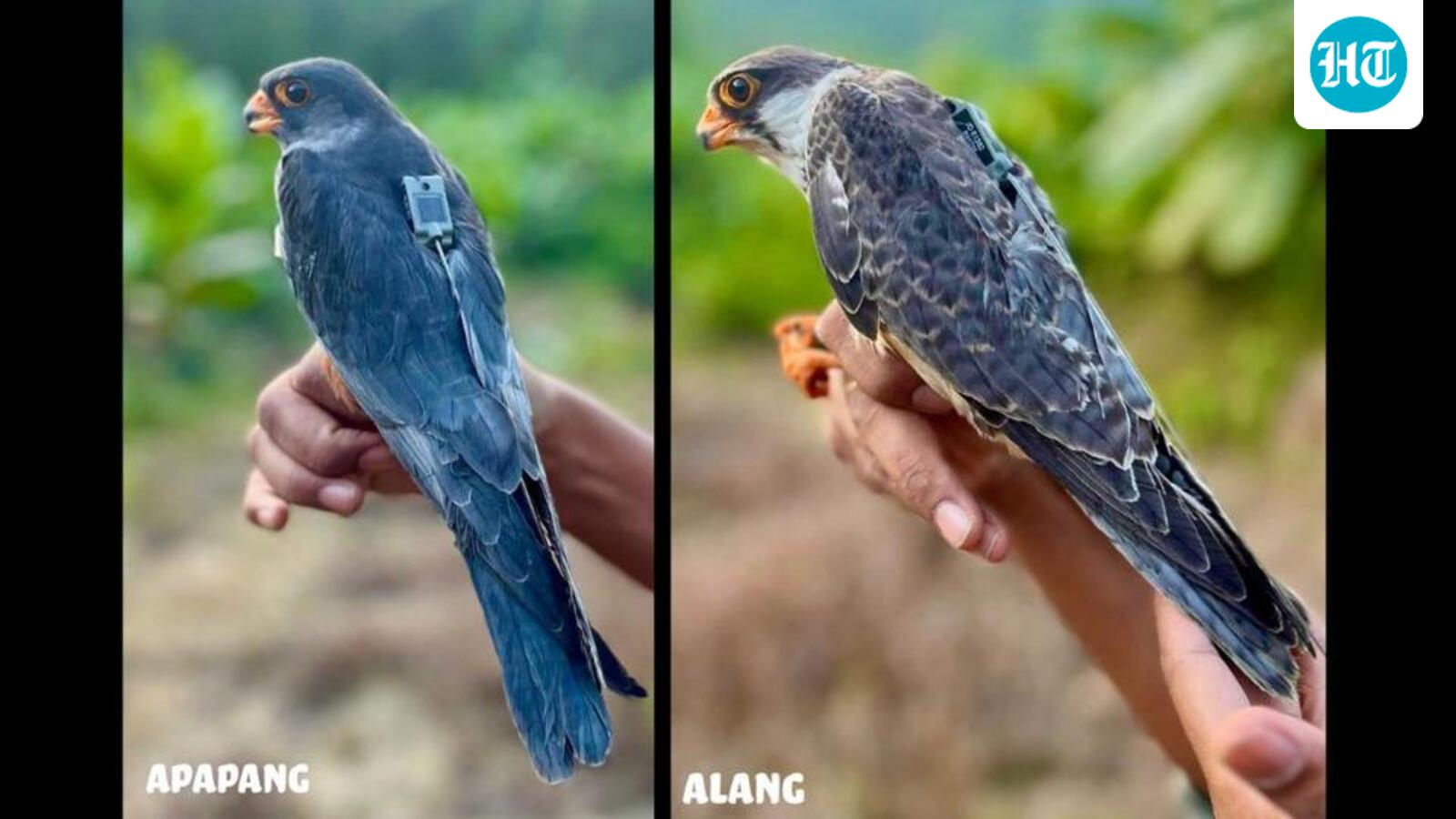
The two falcons, identified as Apapang and Alang, completed their extraordinary transnational migration, retracing their flight path across a vast swathe of South and Southeast Asia before returning to their wintering grounds in Manipur. The tracking mission, facilitated through satellite tagging technology, has provided researchers with detailed data on the birds' movement patterns, stopover sites, and the geopolitical boundaries they traverse twice annually.
Amur falcons are known for undertaking one of the longest migration routes among raptors globally. The species breeds in Far Eastern Russia and Mongolia during summer months before embarking on their southward journey to winter grounds primarily in southern Africa, with significant populations passing through India. The tagged birds' successful completion of this grueling journey underscores the species' remarkable physiological adaptations and navigation capabilities.
Manipur has emerged as a critical staging area for these migratory birds, with the state serving as a crucial refueling point during their biannual journeys. The return of Apapang and Alang to the region validates the ecological importance of Manipur's wetlands and open landscapes in supporting these long-distance migrants. Conservation efforts in the state have been instrumental in protecting the species from hunting pressures and habitat degradation.
The satellite tracking initiative represents a collaborative effort among wildlife researchers and conservation organizations to better understand and protect migratory raptors. The data collected from tagged individuals helps identify critical habitats, migration corridors, and potential threats encountered along their route, informing targeted conservation strategies across multiple nations and jurisdictions.