Politics · Malaysia Bureau
Analysts question Trump's approach to North Korea diplomacy
The US president's strategy for resolving tensions with Pyongyang relies heavily on personal diplomacy and economic incentives, but experts warn these factors may be insufficient to achieve lasting results.
LSN Malaysia ·
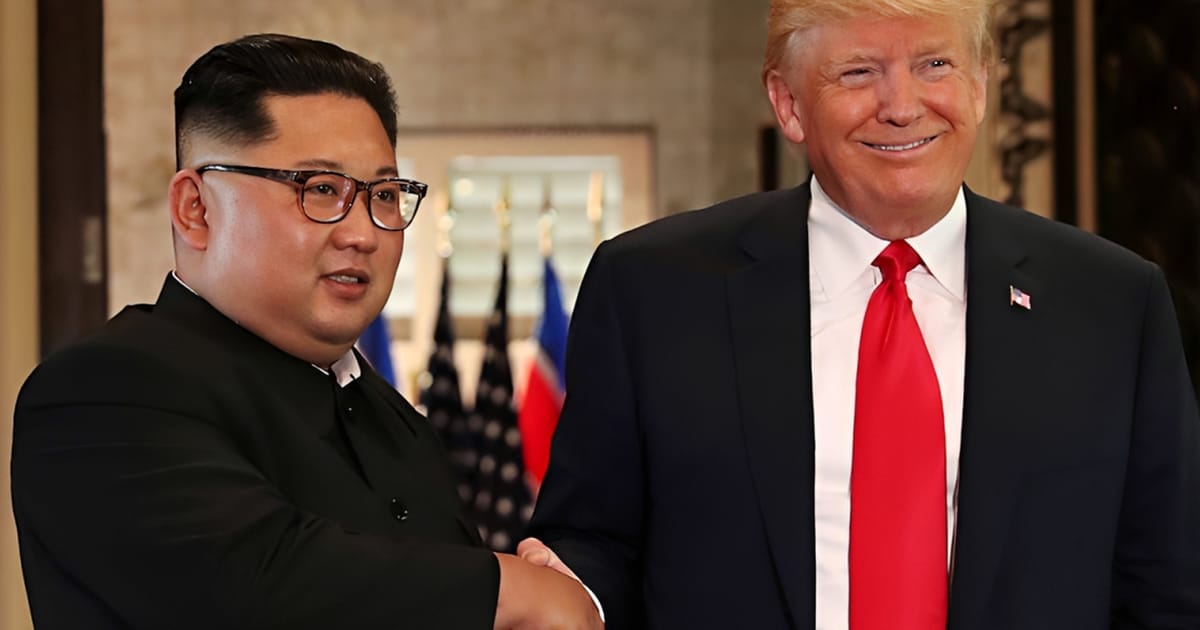
President Donald Trump's confidence in resolving the North Korea nuclear question through direct engagement has drawn scrutiny from analysts who question whether his approach adequately addresses the complexity of the challenge. Trump's diplomatic overtures have centred on personal negotiations with North Korean leadership and the prospect of economic development as inducements for denuclearisation, yet observers argue these elements alone may not prove decisive in achieving a breakthrough.
Proponents of Trump's engagement strategy point to his willingness to break from decades of adversarial US-North Korean relations and his direct communication with Pyongyang leadership. However, critics contend that personal rapport and promises of economic benefits, while potentially useful diplomatic tools, overlook structural obstacles to agreement including verification challenges, security guarantees, and competing strategic interests among regional powers.
The economic development component of Trump's approach assumes that Pyongyang's leadership will prioritise economic growth over nuclear capabilities. Analysts note that North Korea's leadership has historically viewed its weapons programme as essential to regime survival, a consideration that may not be easily displaced by economic prospects alone.
As negotiations continue, observers underscore the need for a comprehensive strategy that addresses not only diplomatic channels and economic incentives but also security concerns, verification mechanisms, and coordination with regional allies including South Korea and Japan. The stakes remain high for the region, where any miscalculation could destabilise the Korean Peninsula.