World · India Bureau
Ancestors visit in multiple forms during Pitru Paksha, Hindu beliefs suggest
According to Hindu tradition, the fortnight of Pitru Paksha is not merely a period for ritual offerings but a sacred time to honor ancestral spirits. Religious beliefs hold that deceased ancestors manifest in various living forms during this significant observance.
LSN India ·
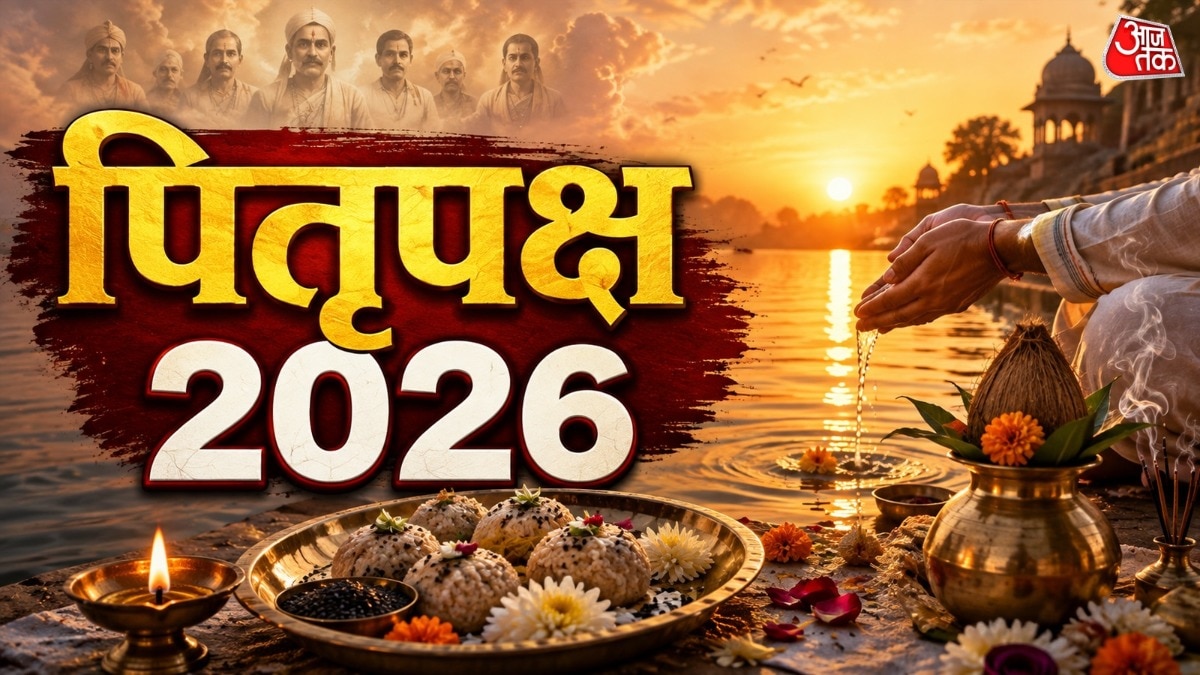
Pitru Paksha, the lunar fortnight dedicated to honoring ancestors, holds deep spiritual significance in Hindu tradition beyond the performance of rituals such as tarpan and pindan. The period, observed twice annually in the Hindu calendar, is considered an auspicious window when ancestral spirits are believed to be particularly accessible to the living.
According to Hindu religious teachings, ancestors do not remain invisible during Pitru Paksha but are believed to visit their descendants through various living forms. This concept underscores the philosophical belief that death does not sever the bond between ancestors and their families, but rather transforms the nature of their presence.
The tradition emphasizes that honoring ancestors during this period is not merely a ritualistic obligation but a profound expression of gratitude and reverence. Devotees are encouraged to remain mindful of these spiritual beliefs and to approach the period with appropriate respect and awareness.
Hindu mythology and scriptural texts suggest that ancestors may manifest through different creatures and natural phenomena during Pitru Paksha, a concept that encourages followers to treat all living beings with compassion during this sacred time. This belief reinforces broader Hindu philosophical principles regarding the interconnectedness of all life and the continuity of spiritual bonds across generations.