World · India Bureau
Ancient Alaska campsite yields 13,800-year-old tools, shelter signs
Archaeological excavations in Alaska have uncovered a remarkably preserved settlement dating back nearly 14,000 years, providing fresh insights into early human habitation in the Americas. The site's artefacts suggest inhabitants engaged in hunting, tool-making, and textile production, with evidence pointing to cultural links across the ancient Bering Land Bridge.
LSN India ·
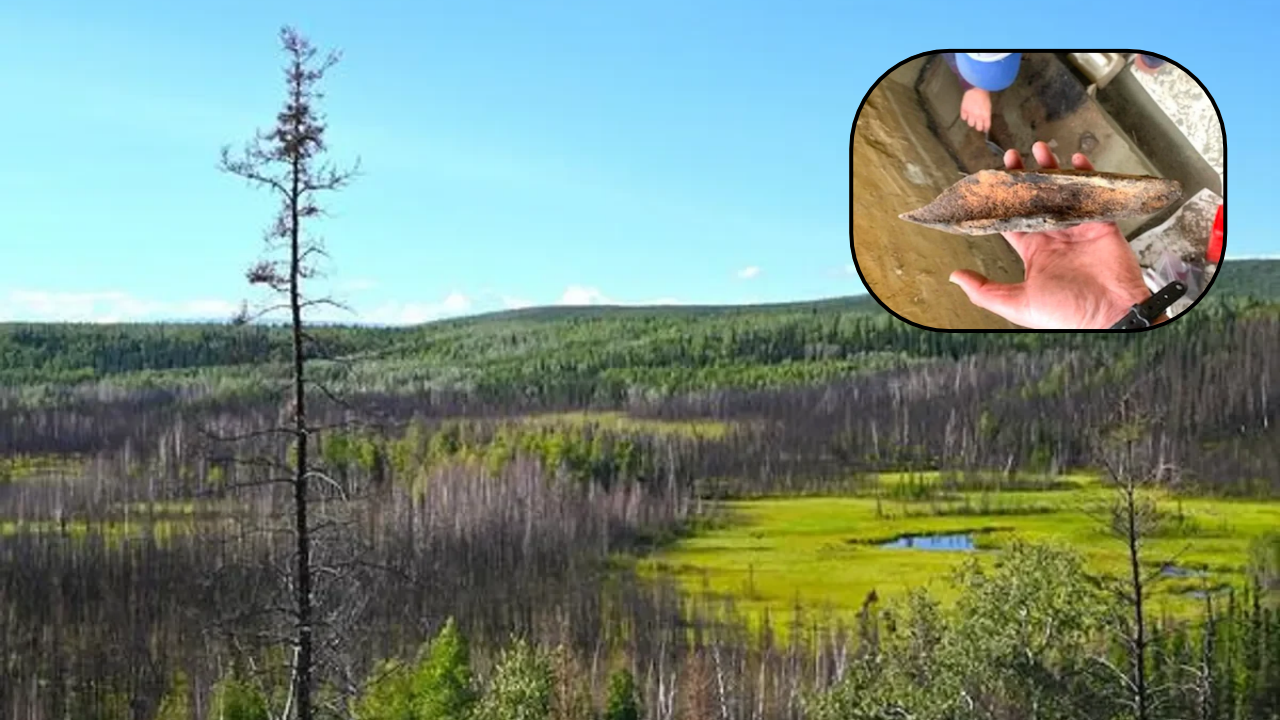
Researchers investigating Shég' Xdaltth'í' in Alaska have identified one of the earliest known human settlements in the region, with occupation dating to approximately 13,800 years ago. The excavation revealed a complex archaeological layer containing stone tools, faunal remains, and structural evidence indicative of a possible shelter, painting a detailed picture of early life in the region.
Analysis of the artefactual assemblage indicates that residents engaged in multiple subsistence and manufacturing activities. Stone tools recovered from the site suggest food processing and hunting practices, while other implements point to toolmaking and clothing production. The diversity of activities documented at the site underscores the sophistication of these early communities and their ability to exploit diverse resources in their environment.
Of particular significance are typological comparisons between tools discovered at Shég' Xdaltth'í' and similar stone implements found in Siberia. These similarities suggest cultural exchange and population movement across Beringia, the land mass that once connected present-day Russia and Alaska during periods of lower sea levels. Such connections provide archaeological evidence for the peopling of the Americas and the maintenance of cultural traditions across vast distances during the last Ice Age.
The findings contribute to growing evidence that human settlement in the Americas occurred earlier and involved more complex social and cultural systems than previously understood. Further research at the site promises to yield additional data on early human adaptation, migration patterns, and the development of cultures in North America and beyond.