Business · India Bureau
Ancient Arabian lakes discovered, but scant evidence of early human habitation
Archaeological surveys of Arabia's vast Rub' al Khali desert have uncovered geological evidence of prehistoric freshwater lakes, yet researchers found minimal traces of stone tools or sustained human settlement in the region.
LSN India ·
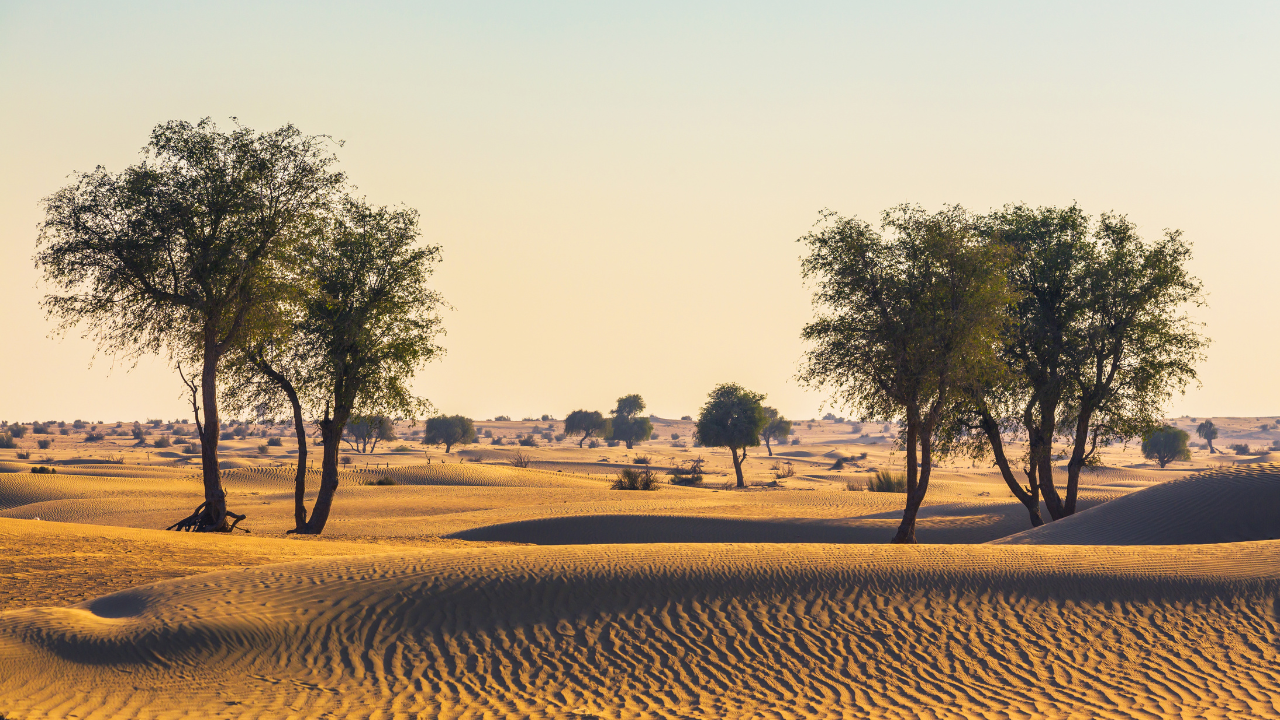
Extensive fieldwork across the Arabian Peninsula's largest sand sea has yielded new insights into the environmental conditions that shaped early human migration patterns in the region. Researchers conducting systematic archaeological surveys identified remnants of ancient lakes that once dotted the landscape, suggesting the desert environment was substantially different during periods when early populations inhabited the area.
The discovery of these paleolake formations indicates that freshwater availability was a critical factor influencing where early inhabitants chose to establish settlements. Water sources would have been essential for survival in the arid landscape, making such geological features crucial markers for understanding prehistoric human movement and settlement strategies.
However, the research teams found surprisingly limited archaeological evidence of sustained human occupation. The scarcity of stone tools and other artifacts typically associated with early human activity suggests that despite the presence of viable freshwater sources, the Rub' al Khali may have supported only intermittent or seasonal human presence rather than permanent communities.
The findings contribute to ongoing scholarly debates about human settlement patterns across the Arabian Peninsula during the prehistoric era. Researchers note that understanding the relationship between environmental conditions and human habitation requires examining both geological and archaeological evidence in combination, revealing a more nuanced picture of early human adaptation to desert environments.