World · India Bureau
Ancient British timber monument faces deterioration from desiccation
A 3,500-year-old wooden structure in Britain is drying out, risking the loss of invaluable archaeological insights preserved within its timber framework. Experts warn that rapid moisture loss threatens to expose the monument's secrets while simultaneously damaging the artifact itself.
LSN India ·
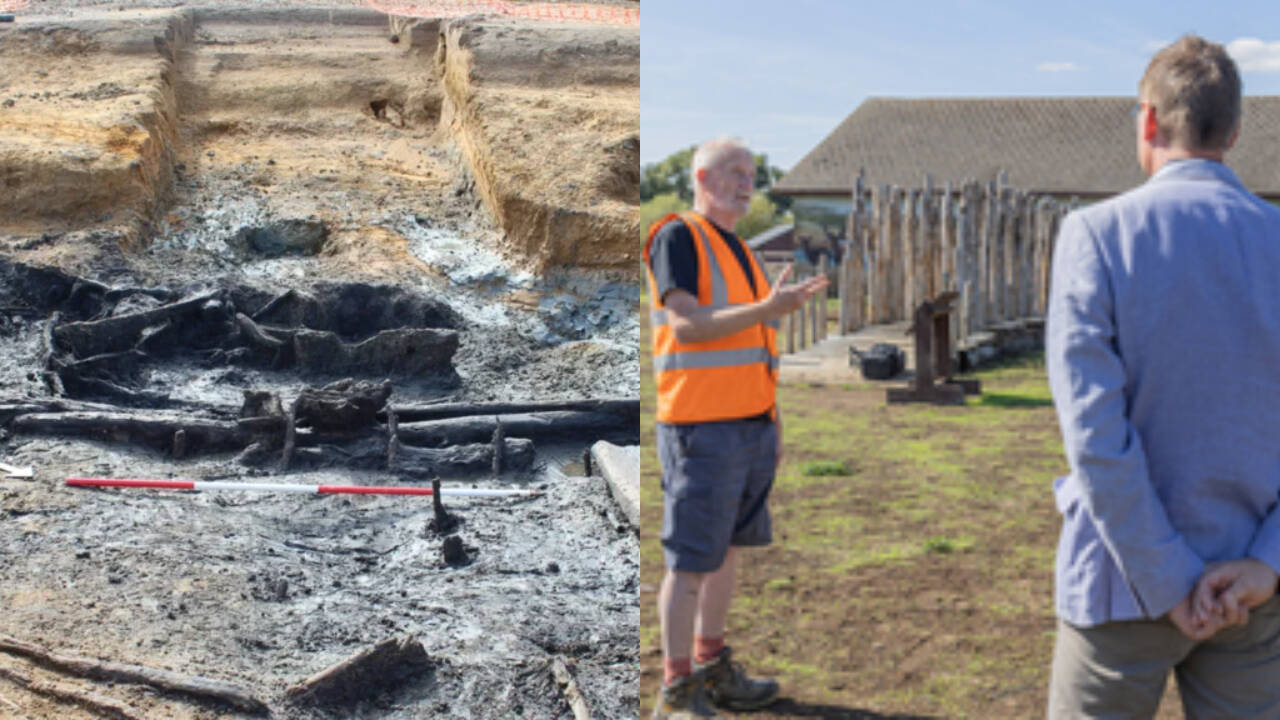
A significant Bronze Age timber monument in Britain is experiencing accelerated deterioration as environmental conditions cause its wooden components to dry out at an alarming rate. The structure, estimated to be approximately 3,500 years old, represents one of the region's most important archaeological sites, containing evidence of ancient construction techniques and settlement patterns.
Archaeologists have raised concerns that the desiccation process may compromise the preservation of organic materials and residual archaeological deposits within the timber framework. The drying conditions create a dual threat: while exposure may reveal previously hidden information about the monument's construction and use, it simultaneously risks structural degradation and loss of delicate remains that have been protected by waterlogged conditions for millennia.
Specialists are working to develop intervention strategies to stabilize moisture levels and prevent further damage to the site. The situation highlights broader challenges facing preservation efforts at wet and waterlogged archaeological sites across the region, where sudden environmental changes or drainage alterations can rapidly compromise artifacts that have remained stable for thousands of years.
The monument's deterioration underscores the urgent need for enhanced monitoring systems and conservation protocols at vulnerable heritage sites. Researchers are documenting the changes and collecting data that may inform future preservation approaches for similar wooden structures at risk from climate variations and environmental shifts.