World · India Bureau
Ancient custom binds Gujarat community to marriage or traditional work
A Gujarat-based community carries centuries-old traditions rooted in folklore linking their ancestors to the armies of Maharana Pratap. According to local narratives, women in the Saraniya community historically faced a choice between entertainment work or marriage within seven years.
LSN India ·
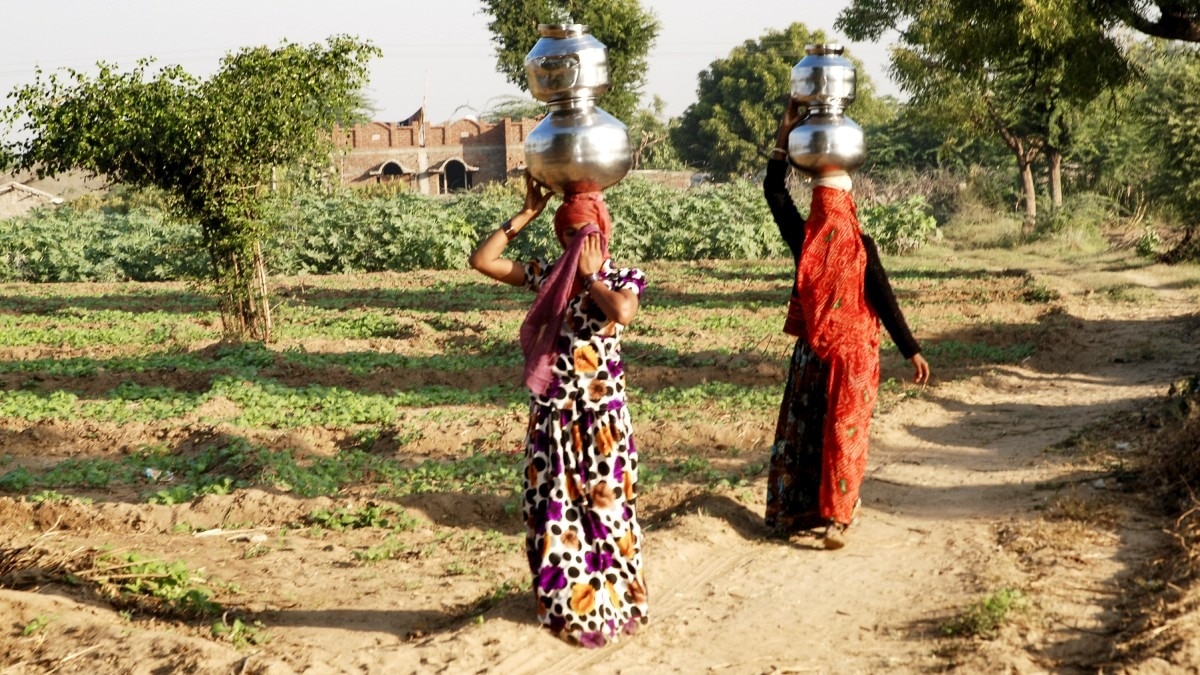
The Saraniya community, residing in Gujarat, maintains oral traditions tracing their lineage to medieval times when their ancestors served alongside Maharana Pratap's forces in Mewar. According to community folklore, men traditionally worked as weapon sharpeners, honing swords and shields for the maharaja's army, while women performed entertainment roles for soldiers.
These historical narratives have evolved into social customs that persist within the community today. Local accounts suggest that women historically faced stark choices regarding their life paths, with cultural expectations dictating either engagement within a seven-year period or involvement in entertainment-related occupations—a practice that reflects the rigid social structures of their ancestors' era.
The folklore surrounding the Saraniya community illustrates how occupational roles assigned centuries ago during the Mewar kingdom period became embedded in community identity and social practices. Such traditions, passed through generations via oral storytelling, continue to shape cultural norms and expectations within the group.
The customs reflect broader patterns seen across several Indian communities where historical circumstances—often involving military service, specialized trades, or court associations—became codified into enduring social structures. Scholars studying such communities have noted how medieval-era occupational assignments frequently transformed into hereditary practices and social obligations spanning generations.