World · India Bureau
Ancient Czech Site Predates Stonehenge by a Millennium
Archaeologists have identified a prehistoric sanctuary in the Czech Republic that is approximately 1,000 years older than England's iconic Stonehenge monument. The discovery sheds new light on early human settlement patterns and ritual practices in prehistoric Europe.
LSN India ·
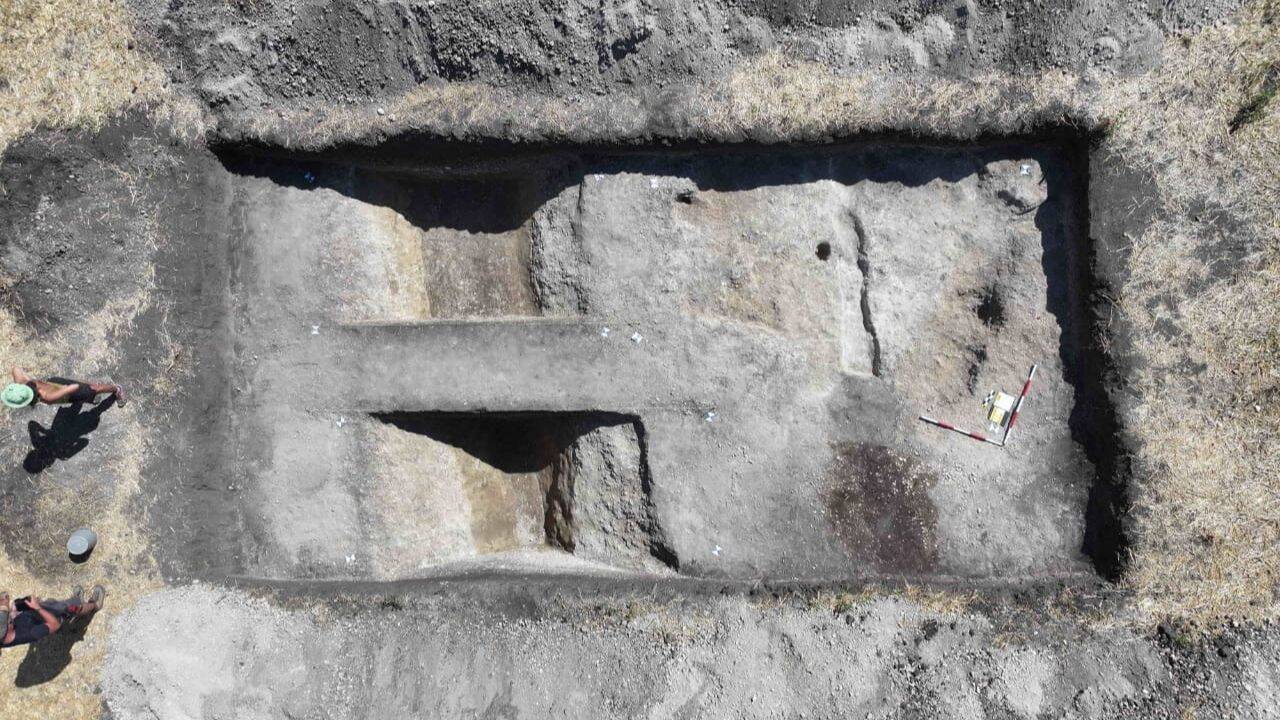
Researchers studying the archaeological site in the Czech Republic have concluded that the sanctuary dates back significantly further than previously established timelines for major prehistoric monuments in Western Europe. The site, which contains evidence of ceremonial and spiritual significance, demonstrates that sophisticated communal structures and gathering spaces existed in Central Europe during periods when similar developments were occurring elsewhere across the continent.
The discovery challenges conventional narratives about the development of monumental architecture in prehistoric times. Rather than viewing such structures as emerging solely from Western European populations, the Czech sanctuary suggests that early societies across diverse geographical regions independently developed complex organizational systems capable of creating lasting ceremonial centers.
Archaeologists have employed modern dating techniques to establish the sanctuary's age with greater precision than was previously possible. The findings indicate that prehistoric communities possessed the knowledge, labor coordination, and cultural motivation necessary to construct meaningful gathering spaces for religious or communal purposes thousands of years before the construction of better-known monuments.
The implications extend beyond European prehistory, offering insights into how ancient human societies across different regions and climates organized themselves and invested resources in monumental projects. Specialists note that such discoveries underscore the importance of continued archaeological investigation in Central and Eastern Europe, where major sites remain inadequately studied compared to their Western European counterparts.