World · India Bureau
Ancient desert microbes offer clues to life beyond Earth
Scientists studying microbial life in Chile's Atacama Desert are uncovering how primitive organisms adapted to survive in one of Earth's harshest environments. The research suggests potential pathways for understanding whether similar life forms could exist on Mars.
LSN India ·
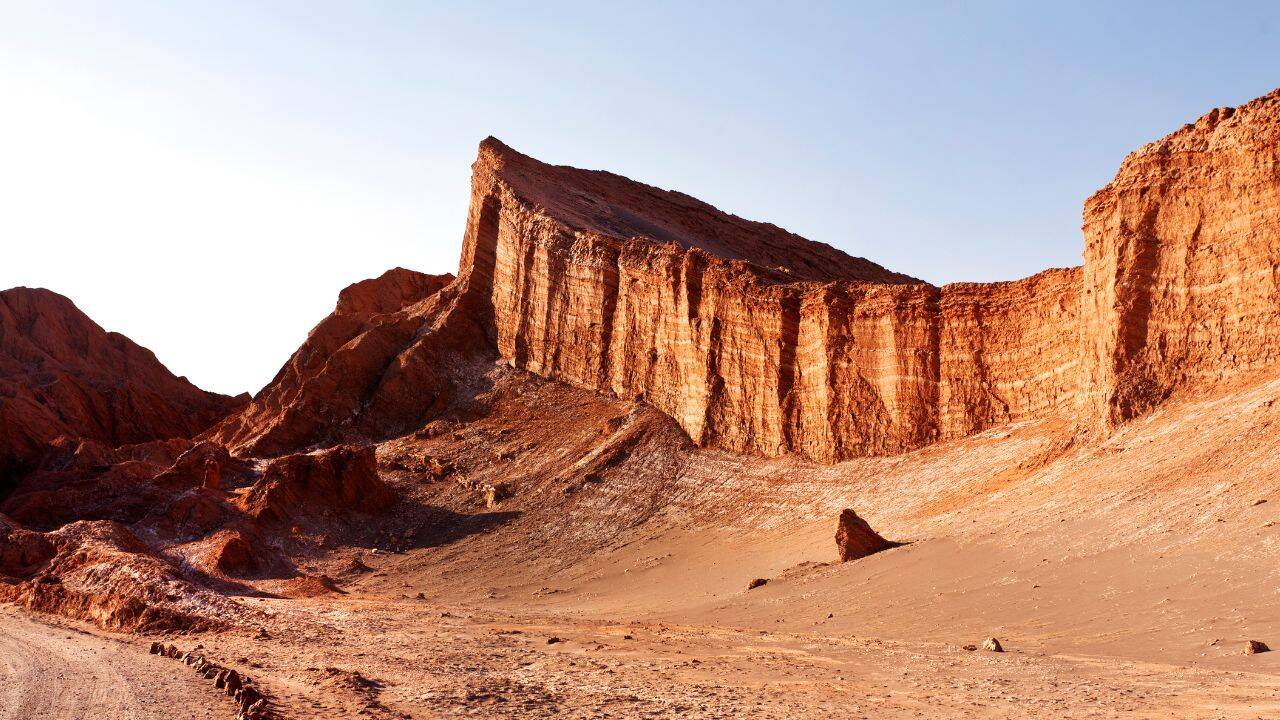
Researchers exploring the Atacama Desert have identified ancient stromatolites—layered rock formations created by microorganisms—that demonstrate the remarkable resilience of early life on Earth. These microbial communities have persisted in the arid landscape for millennia, adapting to extreme conditions that would prove lethal to most living organisms.
The desert environment, characterized by intense aridity and limited resources, has become a natural laboratory for studying microbial survival mechanisms. Scientists are examining how these microorganisms not only endure but actively thrive in such inhospitable settings, developing specialized strategies to conserve water, manage extreme temperatures, and utilize minimal nutrients.
The findings hold significant implications for astrobiology research. By understanding how microbes survive Earth's most challenging terrestrial conditions, researchers gain insight into the theoretical possibilities of microbial life on other planets. Mars, with its cold, dry surface and thin atmosphere, presents environmental parallels to certain aspects of the Atacama, making this research particularly relevant to the search for extraterrestrial life.
These discoveries underscore a broader scientific principle: life on Earth demonstrates remarkable adaptability across diverse and hostile environments. The implications extend beyond Mars exploration, suggesting that microbial organisms may be far more resilient than previously understood, capable of persisting in conditions once deemed incompatible with life.