Business · India Bureau
Ancient dice reveal leisure life aboard Kublai Khan's invasion fleet
Archaeologists have uncovered gaming pieces and dice from a 13th-century Mongol warship that sank during an attempted invasion of Japan, offering rare insight into how medieval sailors passed their time during long voyages.
LSN India ·
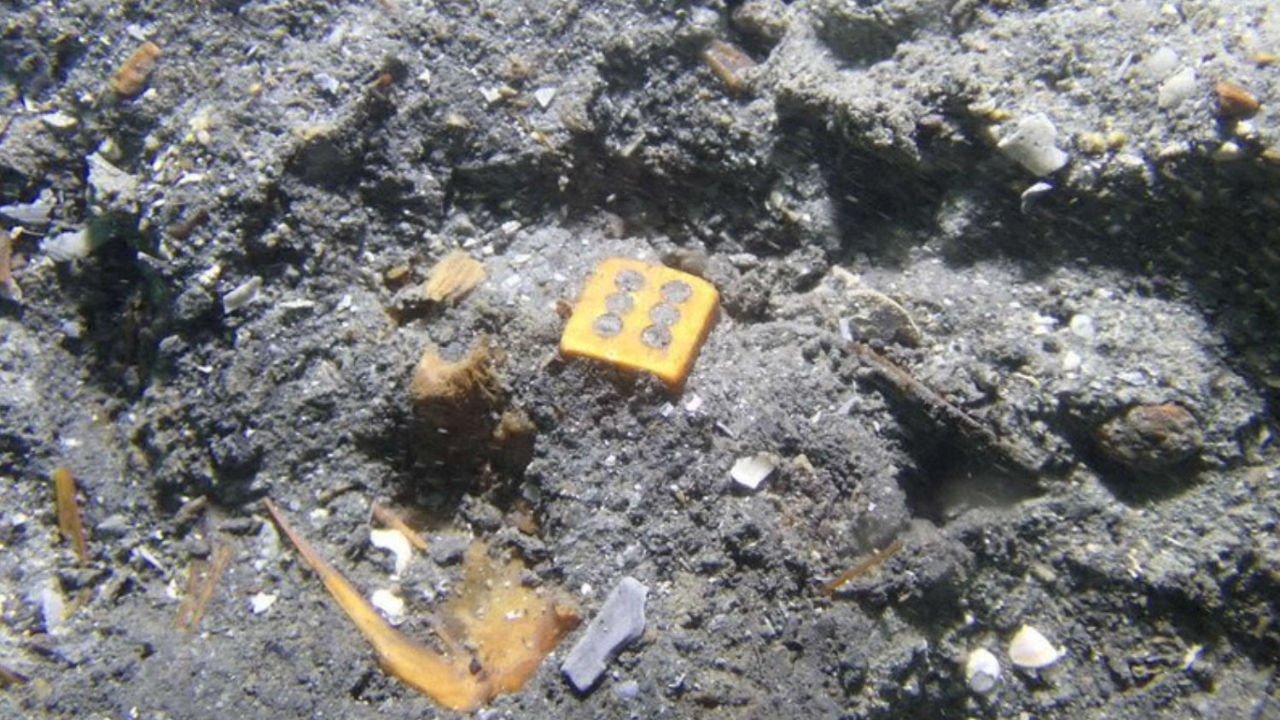
The artifacts were discovered near Takashima Island in Japan, at the wreck site of a vessel that went down in 1281 during Kublai Khan's second major military campaign against the Japanese islands. The gaming pieces, alongside dice recovered from the seafloor, provide compelling evidence that crew members engaged in recreational activities during breaks from their maritime duties.
The shipwreck, measuring approximately 30 metres in length, is believed to be the largest of three identified Mongol invasion vessels discovered in the region. Beyond the gaming equipment, excavations have yielded additional artifacts that illuminate daily life aboard the medieval warship, including food storage containers and various tools used by the crew.
The discoveries paint a vivid picture of ordinary moments aboard military vessels centuries ago, when sailors would have sought diversions during their voyages across the sea. The finds complement other archaeological evidence from the wreck site, building a more complete understanding of how medieval naval expeditions were organized and how crew members lived during extended periods away from land.
Historians regard the Takashima wrecks as invaluable sources of information about 13th-century maritime technology and the daily routines of Mongol naval forces. The combination of leisure items and utilitarian objects suggests that despite the rigorous demands of military service, sailors maintained cultural practices and pastimes that helped sustain morale during their journeys.