World · India Bureau
Ancient Egypt's early rulers buried with retainers, skulls suggest ritual sacrifice
Archaeological evidence from tombs of Egypt's earliest pharaohs indicates human sacrifice may have been practiced during royal burials in the First Dynasty, challenging previous scholarly assumptions about mortuary practices.
LSN India ·
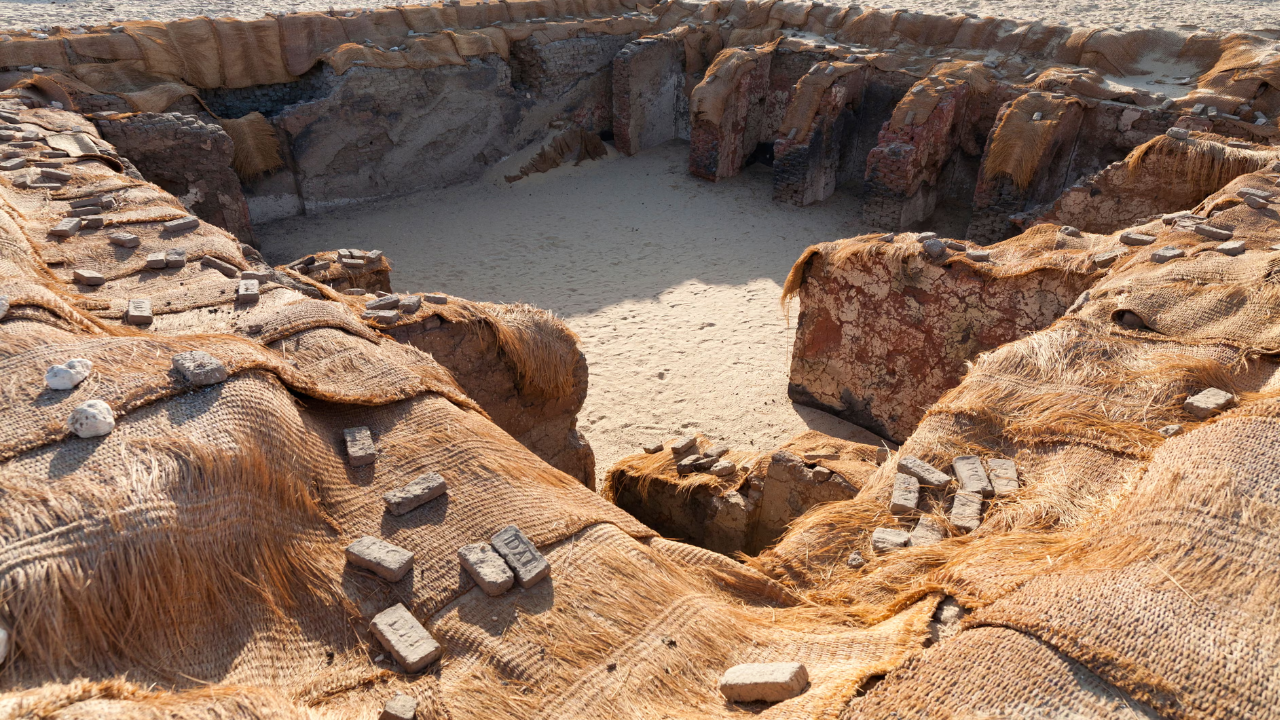
Excavations at ancient Egyptian burial sites have uncovered skeletal remains suggesting that servants and retainers were interred alongside early pharaohs, lending support to theories that ritual human sacrifice accompanied royal funerals during the First Dynasty period.
The discovery of skulls and bone fragments in proximity to royal tombs indicates a deliberate practice of human burial as part of mortuary ceremonies for Egypt's earliest kings. Researchers examining the physical evidence have identified characteristics consistent with sacrificial practices, including the positioning and condition of remains found in subsidiary graves surrounding the main royal burial chambers.
Previous scholarly debate questioned whether such practices existed in early dynastic Egypt, with some researchers arguing that servant burials were voluntary or occurred as a result of other factors. The skeletal evidence now provides more concrete support for the hypothesis that human sacrifice was an established ritual component of royal funerary customs.
These findings contribute to a broader understanding of ancient Egyptian burial practices and the religious beliefs underlying early pharaonic ceremonies. The practice appears to have been more widespread among First Dynasty rulers than previously documented, though evidence suggests it declined in subsequent periods as burial customs evolved.
Archaeological teams continue to analyze remains from multiple royal sites to determine the extent and duration of human sacrifice practices in early Egyptian dynastic culture.