World · Malaysia Bureau
Ancient Egyptian crocodilian shares surprising kinship with Malaysian gharial
Scientists have identified a previously unknown crocodilian species that roamed Egypt 45 million years ago, with genetic analysis revealing an unexpected connection to Malaysia's false gharial. The discovery sheds new light on the evolutionary history of these ancient reptiles and their modern descendants across Asia.
LSN Malaysia ·
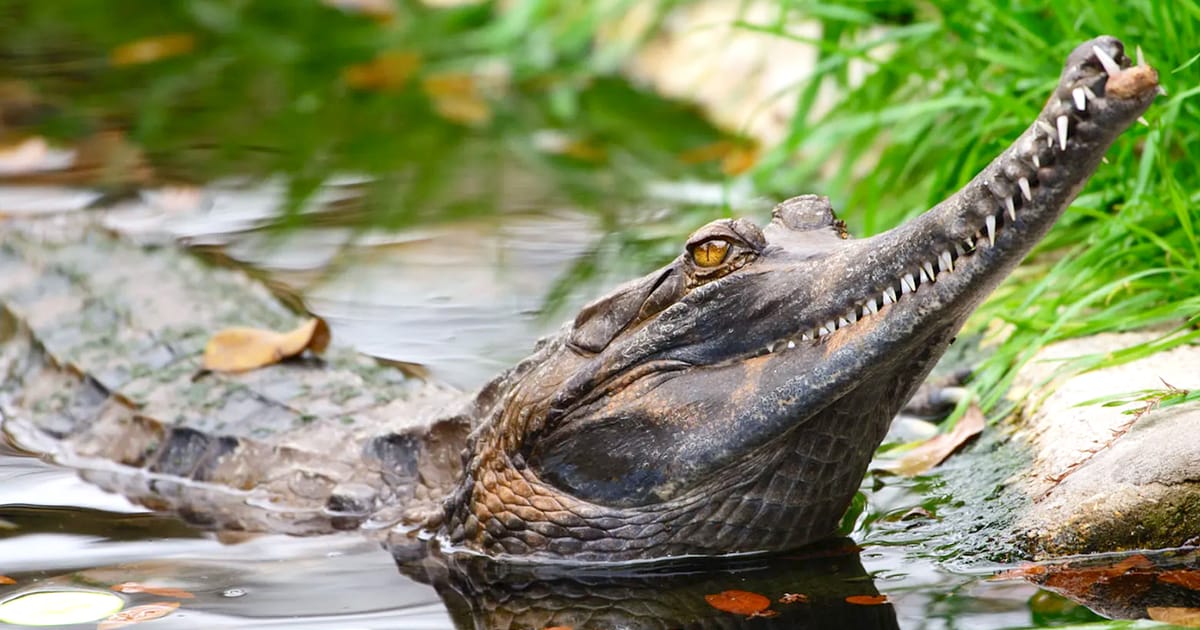
Researchers examining fossilised remains from Egypt's Fayum Depression have unveiled a crocodilian species that prowled Nile-adjacent waterways during the Eocene epoch. The creature, which earned its colloquial name due to sphinx-like facial features preserved in the fossil record, represents a distinct lineage that diverged from other crocodilians millions of years ago.
Molecular analysis comparing the ancient species to modern crocodilians revealed surprising evolutionary connections across continents. The false gharial, a freshwater reptile native to Southeast Asian rivers and wetlands including Malaysian waterways, emerged as the closest living relative to the extinct Egyptian species. This kinship suggests a shared ancestry predating the continental drift and geographic separation that would eventually isolate these lineages.
The findings contribute to a fuller understanding of crocodilian dispersal patterns during the early Cenozoic era, when these reptiles occupied diverse ecological niches across Africa, Europe, and Asia. Researchers note that such fossil discoveries help map how modern species relate to ancient forms and provide context for understanding the reptile's adaptation strategies across vastly different environments over millions of years.
The false gharial remains relatively poorly understood compared to other crocodilians, with populations concentrated in scattered locations across Southeast Asia. Conservation efforts for the species have gained momentum in recent years as habitat loss threatens remaining populations in Malaysia and neighbouring countries.