World · India Bureau
Ancient Egyptian fortress yields remains of 3,000-year-old chariot horse
Archaeologists excavating Egypt's Abqaa' fortress have discovered the skeletal remains of a young male horse dating back 3,000 years, with evidence suggesting it served as a chariot animal for military purposes during the pharaonic era.
LSN India ·
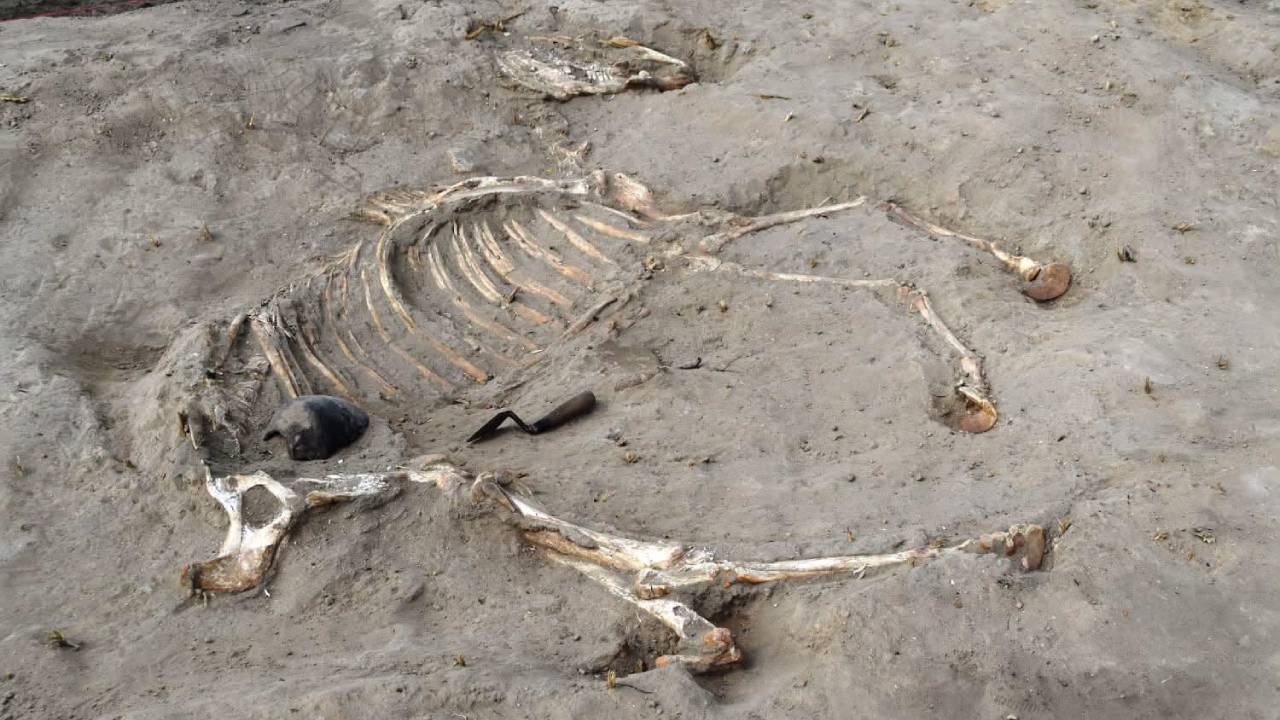
The discovery at the ancient fortress site has provided fresh insights into the military infrastructure of Egypt's New Kingdom period. The horse's remains were found alongside harness fittings and other equipment, indicating its role in pulling war chariots—a crucial military asset in ancient Egypt.
The excavation has also yielded significant historical artefacts, including inscribed tablets bearing the names of Ramesses II and Merneptah, two of Egypt's most powerful pharaohs. These findings help establish the fortress's importance during the reign of these rulers in the 13th century BCE.
Among the other discoveries is a carved relief depicting a captured Libyan prisoner from the Meshwesh tribe, offering evidence of military campaigns and conflicts in the region during this period. The Meshwesh were known to have posed significant challenges to Egyptian authority along the western frontier.
The site's archaeological assemblage suggests the Abqaa' fortress functioned as a strategic military outpost. The presence of the chariot horse and associated equipment underscores the sophistication of ancient Egyptian military operations and the critical role of cavalry in their defence systems.