World · India Bureau
Ancient Egyptian skulls reveal evidence of retainer sacrifice ritual
Forensic analysis of 46 skulls from Egypt's First Dynasty royal cemetery has uncovered significant cranial trauma in 18 specimens, suggesting some individuals may have been ritually killed following a ruler's death. The findings provide new archaeological evidence supporting the practice of retainer sacrifice in ancient Egypt.
LSN India ·
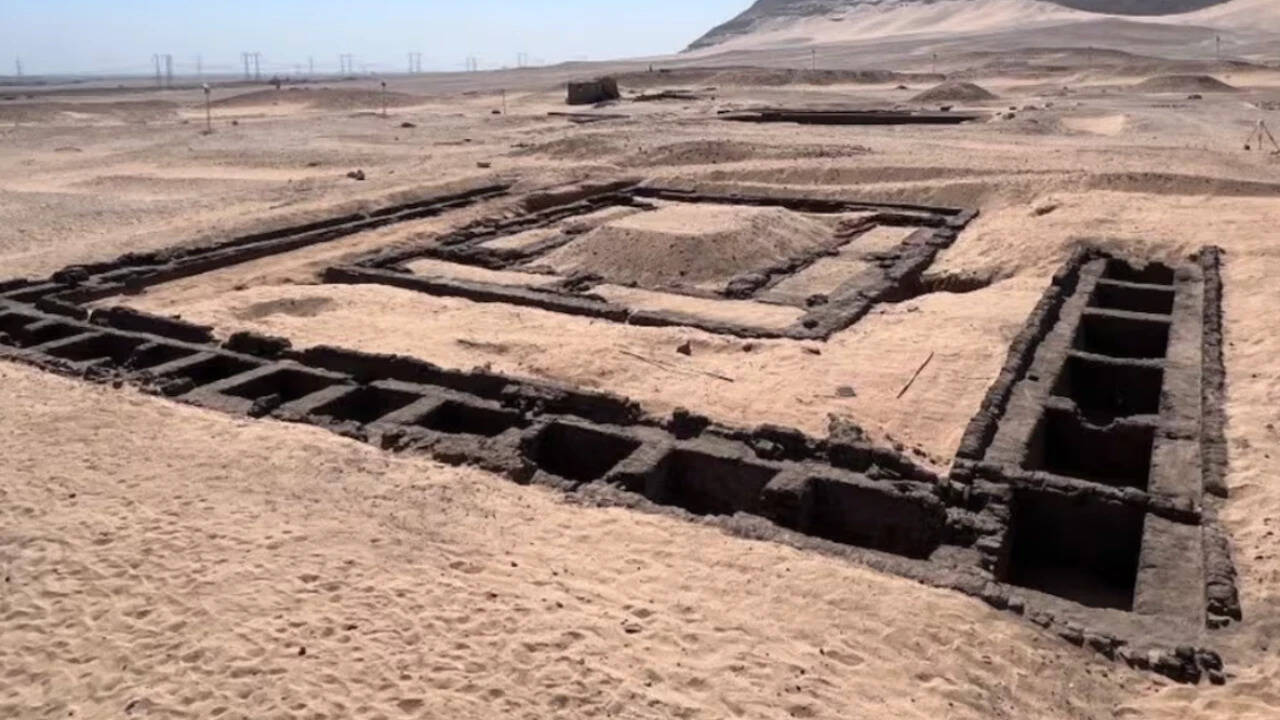
Researchers examining skeletal remains from the royal cemetery at Abydos have identified substantial cranial injuries in approximately 40 percent of analysed skulls, pointing to deliberate killing as part of funerary practices in ancient Egypt's earliest dynasties. The trauma patterns recorded on the 18 damaged specimens are consistent with blunt force injuries, though determining the precise cause of death for most individuals remains challenging.
The cemetery at Abydos, one of ancient Egypt's most significant archaeological sites, contains burials dating to the First Dynasty period. Individuals interred in proximity to royal tombs may have been sacrificed to accompany deceased pharaohs into the afterlife, a practice observed in various ancient cultures during early state formation.
While the cranial injuries provide the most direct forensic evidence of deliberate killing, researchers acknowledge that other individuals buried at the site may have met their end through different means. The heterogeneity of remains suggests varied burial practices or potentially multiple causes of death among the cemetery's population.
The findings contribute to scholarly understanding of First Dynasty mortuary customs and the elaborate rituals surrounding royal death in ancient Egypt. Further analysis of remaining skeletal material may yield additional insights into these early funerary practices and their evolution over subsequent dynasties.