World · India Bureau
Ancient elephant jaw fossil discovered along Narmada River in Madhya Pradesh
Scientists in central India have identified what may be a 11,000-year-old upper jawbone of a prehistoric elephant found near the Narmada River in Raiyen district. The discovery suggests the fossil could date back to the Ice Age.
LSN India ·
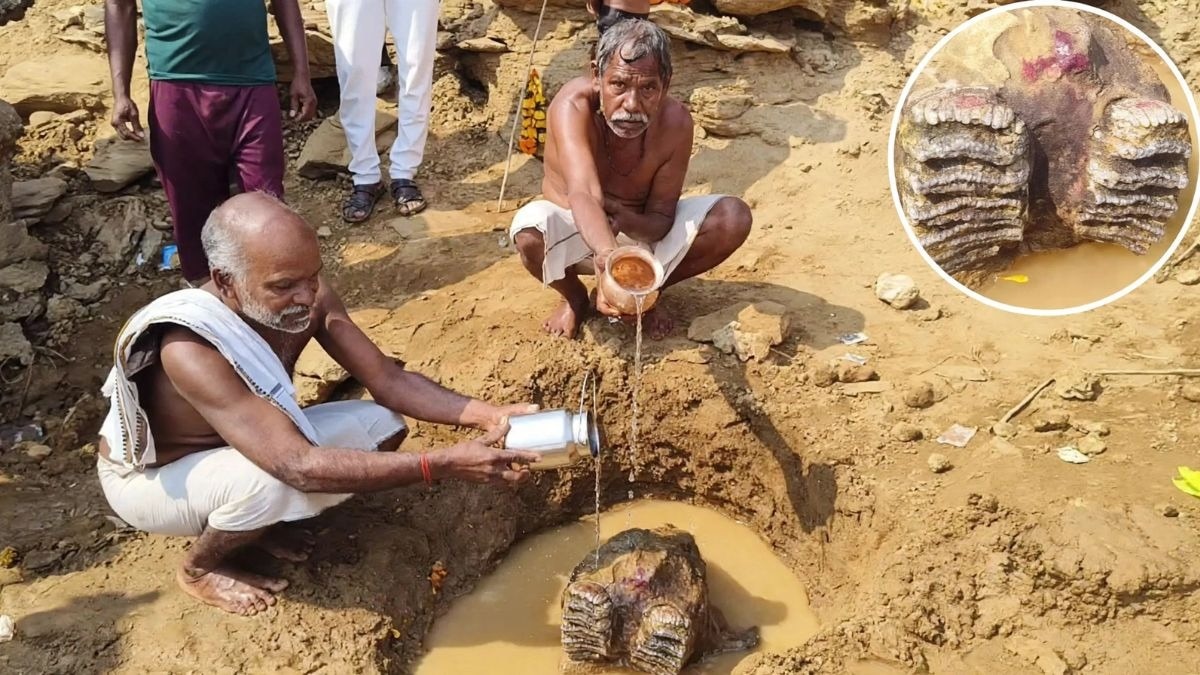
Researchers in Madhya Pradesh have uncovered a large jaw-like fossil fragment along the banks of the Narmada River in Raiyen district, sparking scientific interest in its potential significance. Initial examinations by experts suggest the specimen may belong to a prehistoric elephant species from the Ice Age period.
According to preliminary assessments by scientists, the fossilized remains appear to be the upper jawbone of a mammoth-like creature that inhabited the region approximately 11,000 years ago. The discovery was made in an area known for its paleontological importance, where similar prehistoric artifacts have been recovered in the past.
The find adds to the growing body of evidence about megafauna that roamed the Indian subcontinent during the Pleistocene epoch. If confirmed through further analysis, the fossil would contribute valuable data about the prehistoric fauna of central India and the environmental conditions during the Ice Age.
Scientists have indicated that additional examination and dating techniques will be required to definitively establish the age and species identification of the specimen. Experts from regional research institutions are expected to conduct further studies on the jawbone fragment to determine its exact classification and significance to the region's paleontological record.