World · India Bureau
Ancient Epic of Ravana Offers Timeless Lesson on Hubris and Downfall
As Dussehra approaches, scholars and cultural observers reflect on the cautionary tale of Ravana, whose knowledge, wealth and power ultimately could not shield him from the consequences of pride and poor judgment. The legendary demon king's story continues to resonate across generations as a powerful reminder of how even the mightiest can fall.
LSN India ·
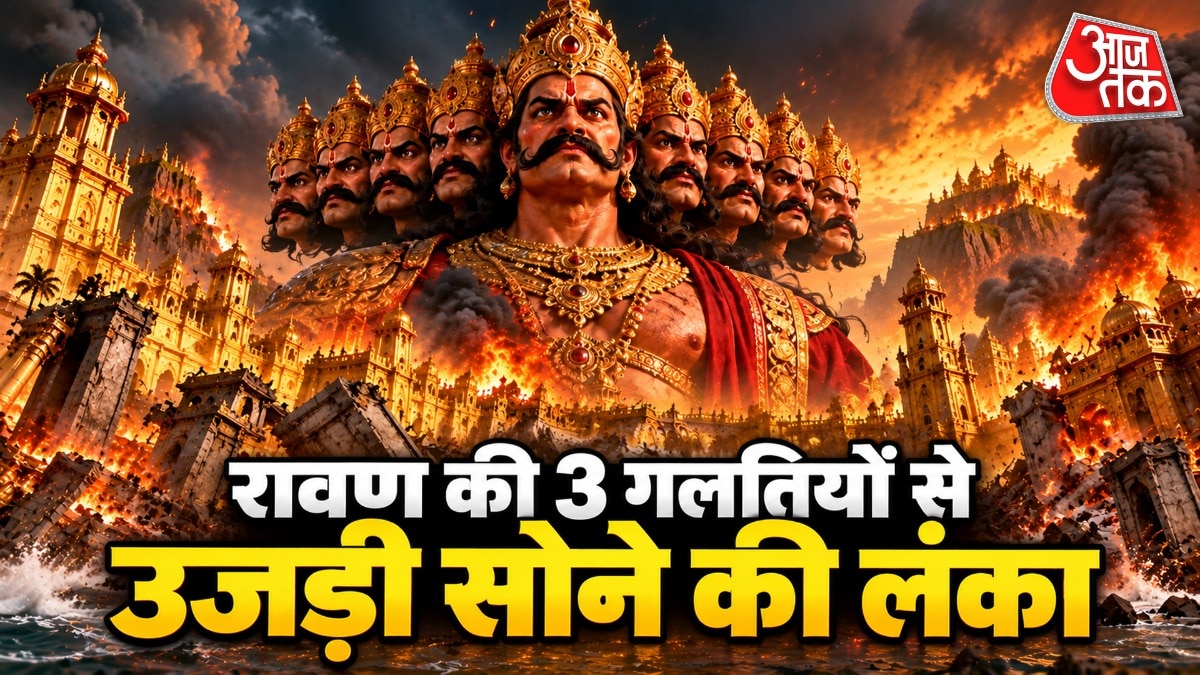
The narrative of Ravana, the ten-headed ruler of Lanka immortalized in Hindu epics, presents a complex study in human weakness that transcends its mythological origins. Despite his vast intellect, enormous riches, and formidable military strength, Ravana's reign ended in catastrophic defeat and the destruction of his kingdom, leaving behind only cautionary echoes in cultural memory.
Scholars and religious educators frequently point to three critical failings that precipitated Ravana's downfall. His unchecked arrogance led him to believe himself invincible and above moral consequence. His abduction of Sita, driven by wounded ego and desire for revenge rather than strategic thinking, proved to be a catastrophic miscalculation that united powerful forces against him. Additionally, his dismissal of wise counsel from those close to him, including his own brother Kumbhakarna's warnings, demonstrated a fatal inability to listen and adapt.
The epic's enduring resonance across Indian society underscores a timeless philosophical principle: that intellectual prowess, material abundance, and temporal power remain insufficient safeguards against self-destruction. The story suggests that personal virtue, humility, and sound judgment constitute the true measure of a leader's worth and longevity. Each year, as millions observe Dussehra—the festival marking the victory of good over evil—the tale of Ravana serves as a cultural touchstone for reflecting on the consequences of hubris and the importance of ethical restraint, regardless of one's station or capabilities.