World · India Bureau
Ancient fossil reveals preserved muscle tissue from 444 million years ago
Scientists have discovered a remarkable 444-million-year-old fossil that has retained detailed muscle tissue, offering rare insights into the soft anatomy of ancient marine creatures. The specimen, though missing its head and legs, provides unprecedented information about prehistoric life.
LSN India ·
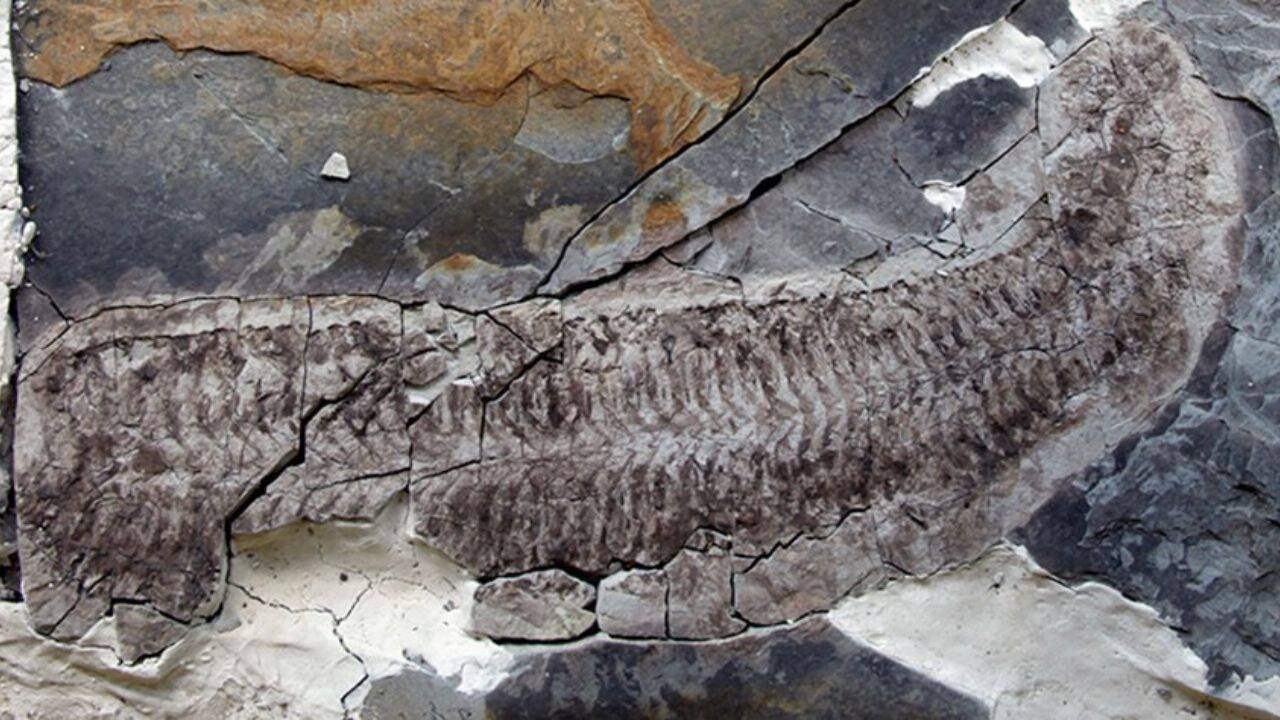
Researchers examining the exceptionally well-preserved fossil have found that the creature's muscular structure remains intact despite the passage of hundreds of millions of years. The discovery offers paleontologists a valuable window into the physical composition of organisms that inhabited Earth's oceans during the Ordovician period.
The fossil's preservation of soft tissue is particularly significant, as such remains are seldom found in the geological record. Most ancient specimens retain only skeletal elements or hard external structures, making this find extraordinarily rare for the scientific community studying early animal evolution.
While the absence of the head and legs limits what researchers can determine about the creature's complete anatomy and classification, the preserved musculature has already yielded important data. Scientists are analyzing the muscle fiber structure and arrangement to better understand how ancient marine animals moved and functioned in their environment.
The specimen represents the kind of exceptional preservation typically associated with specific depositional environments where rapid burial and particular chemical conditions allow soft tissues to fossilize. Such discoveries are instrumental in building a more comprehensive picture of early marine ecosystems and the evolutionary development of complex animal body plans that emerged during this pivotal geological period.