World · India Bureau
Ancient fossil uncovers insect that thrived between land and water
A 324-million-year-old fossil has provided scientists with rare insights into an early insect species that appeared to inhabit both terrestrial and aquatic environments. The discovery sheds light on how insects adapted during a critical period in evolutionary history.
LSN India ·
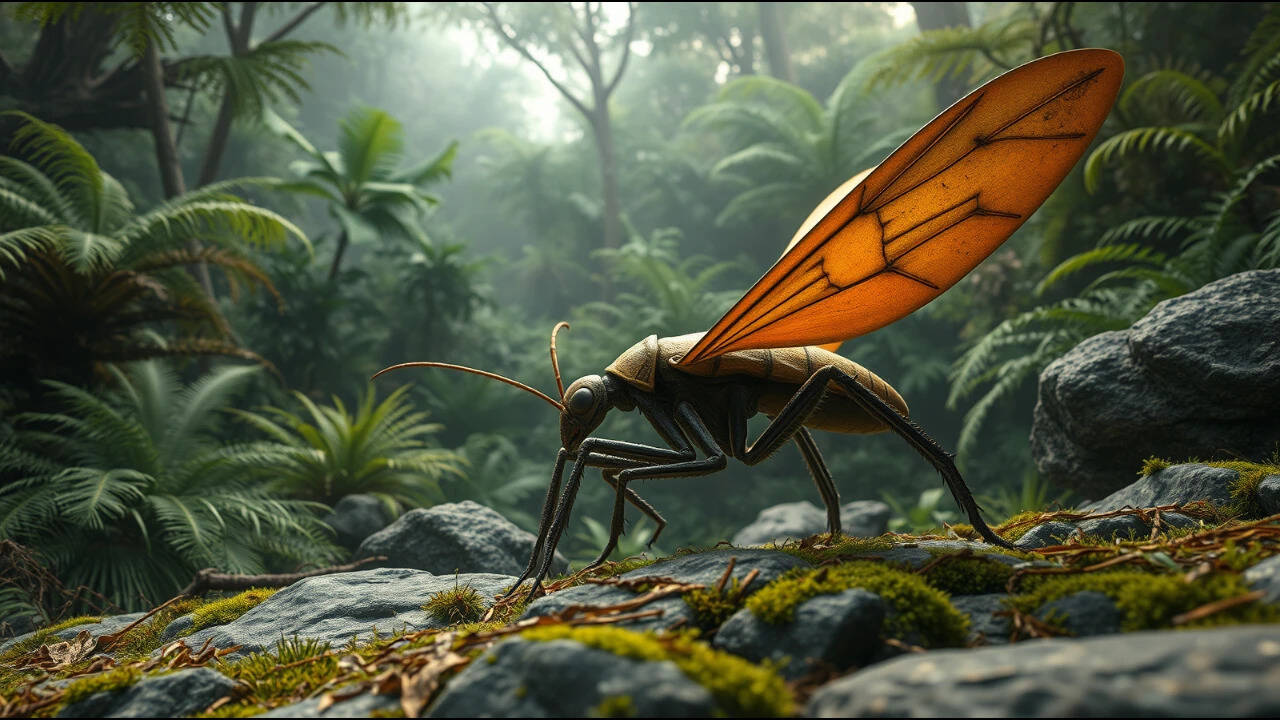
Paleontologists have identified a remarkably preserved fossil dating back 324 million years that reveals an insect species uniquely adapted to life in both land and water habitats. The specimen offers a valuable window into the early diversification of insects during the Carboniferous period, a time when life was expanding beyond aquatic boundaries.
The fossil's morphological characteristics suggest the creature possessed features suited to survival in transitional environments, combining traits typically associated with aquatic and terrestrial insects. Such amphibious adaptations would have provided significant advantages as early insects colonized new ecological niches during this transformative era in Earth's biological history.
The discovery contributes to growing scientific understanding of how arthropods and other organisms transitioned between different environmental zones. Experts note that specimens like this one are increasingly rare, making the find particularly significant for reconstructing the evolutionary pathways insects followed as they diversified across the planet.
The preservation quality of the fossil has enabled researchers to examine fine anatomical details, providing clues about the creature's lifestyle and ecological role. Such insights help scientists piece together how ancient ecosystems functioned and how environmental pressures shaped the development of insect biodiversity that persists today.