World · India Bureau
Ancient funerary ritual: Brazilian community's unique approach to honoring the deceased
Across the world, death rituals and funeral practices vary dramatically between cultures, reflecting distinct spiritual beliefs and traditions. One indigenous Brazilian community maintains a centuries-old mortuary custom that differs markedly from mainstream practices.
LSN India ·
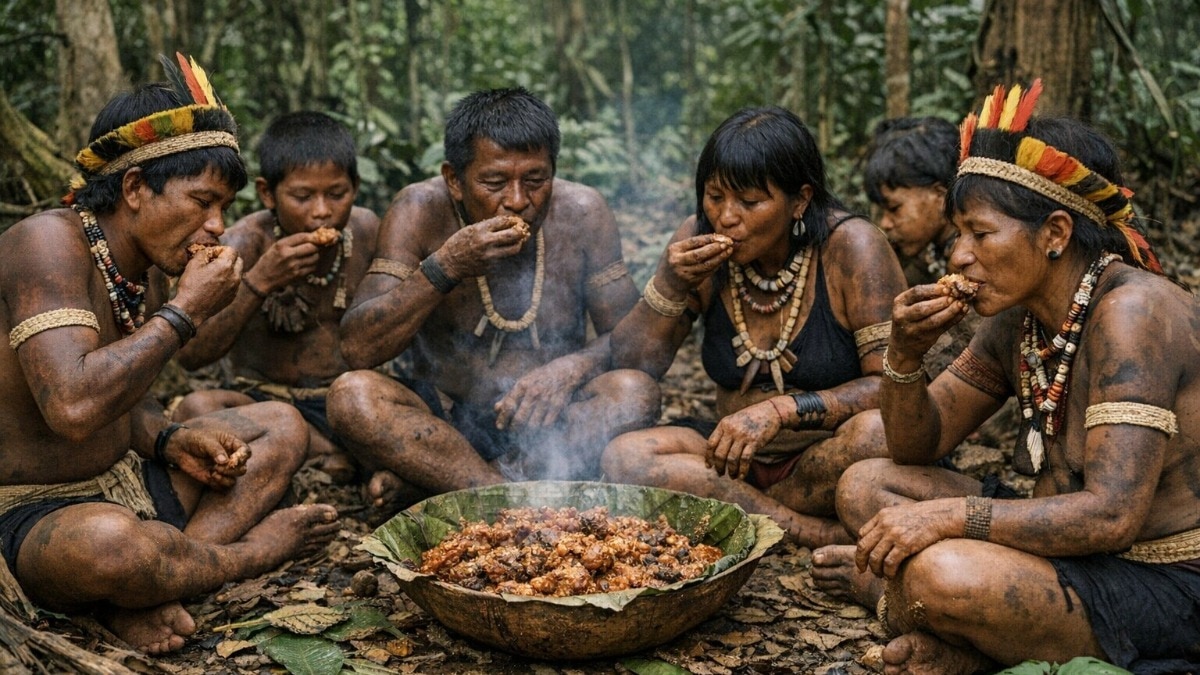
Funeral rites and the treatment of the deceased differ substantially across global cultures, with practices that seem ordinary in one society appearing unusual or even taboo in another. These variations stem from deeply rooted spiritual beliefs, ancestral customs, and cultural worldviews that have been transmitted through generations.
In Brazil, certain indigenous communities observe funeral traditions that reflect their unique understanding of death and the afterlife. Rather than following conventional Western burial or cremation practices, members of these groups incorporate the remains of deceased relatives into rituals designed to honor and remember them. Such practices, while uncommon by mainstream standards, serve important cultural and spiritual functions within these communities.
These mortuary customs represent attempts to maintain spiritual connections with ancestors and ensure their safe passage to the afterlife according to the community's belief system. Anthropologists have documented similar practices among various indigenous populations worldwide, where the treatment of human remains extends beyond mere disposal to encompass complex ceremonial significance.
These traditions highlight the profound diversity of human approaches to mortality and commemoration. What practitioners view as a sacred act of remembrance and respect reflects the deep cultural values and worldviews that define their communities, reminding us that funeral practices worldwide are shaped by specific historical, environmental, and spiritual contexts rather than universal standards.