World · India Bureau
Ancient Gastropod Fossil Rewrites Timeline of Turkish Settlement
Archaeologists in Ankara have uncovered a 66-million-year-old gastropod fossil at a Bronze Age settlement, suggesting the site's geological history stretches back far longer than previously understood. The discovery raises questions about how the ancient marine creature ended up at the 5,000-year-old Kulhoyuk settlement.
LSN India ·
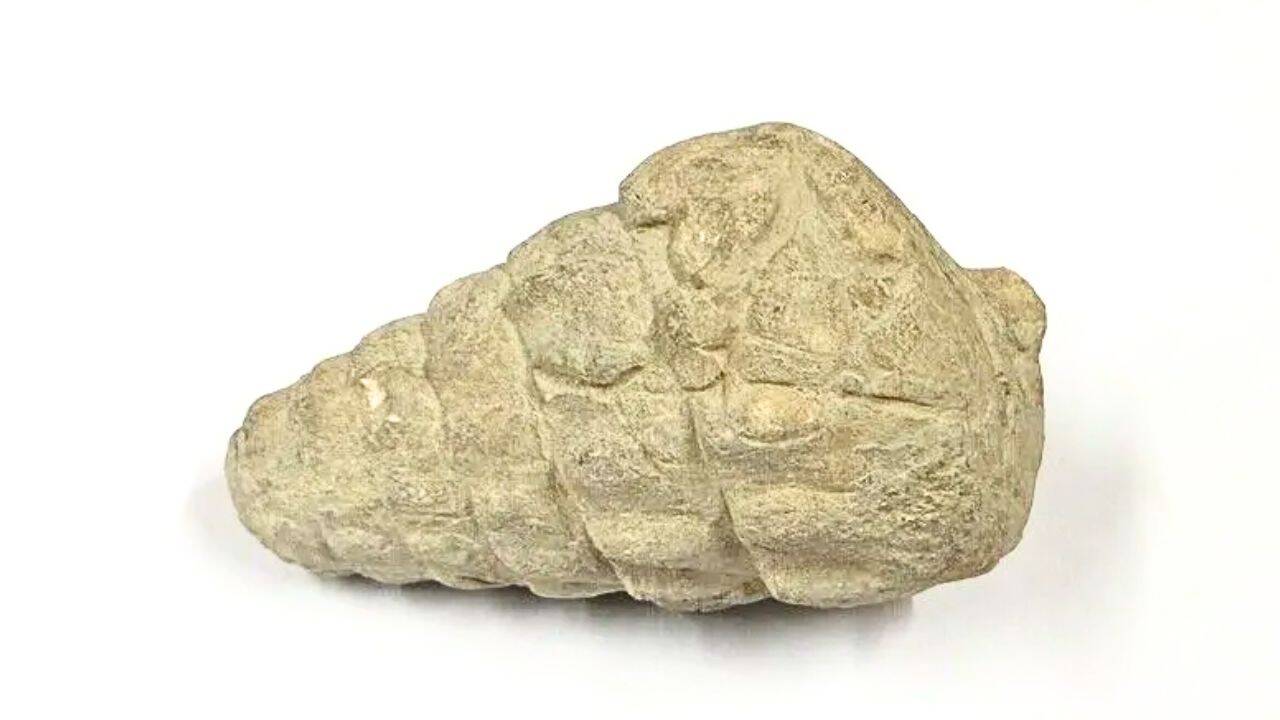
A remarkable paleontological find at the Kulhoyuk archaeological site near Ankara has prompted researchers to reconsider the deeper geological history of the region. The gastropod fossil, dating to approximately 66 million years ago, was discovered during excavations of what is otherwise a well-documented Bronze Age settlement. The creature would have inhabited the Tethys Sea during the final stages of that ancient ocean, which once covered much of present-day Turkey and the Middle East before disappearing millions of years ago.
The presence of the fossil at a site primarily known for its 5,000-year-old human occupation has sparked scientific inquiry into the mechanisms of its arrival. Researchers are examining whether the shell was transported to the settlement through natural geological processes, deliberately collected by ancient inhabitants, or incorporated into the archaeological layer through other means. Such questions are common when ancient fossils appear in archaeological contexts significantly younger than the fossils themselves.
The discovery provides valuable context for understanding the landscape and environment surrounding the Kulhoyuk settlement. The fossil record offers insights into the dramatic geological transformations that reshaped Anatolia over millions of years, from a shallow marine environment to the terrestrial landscape inhabited by the site's Bronze Age residents. This finding underscores how archaeological sites often sit atop complex geological histories that can inform broader understanding of regional development and human adaptation to changing environments.