World · India Bureau
Ancient Greek Mechanism Reveals Sophisticated Astronomical Knowledge
The Antikythera Mechanism, recovered from a Mediterranean shipwreck over a century ago, demonstrates that ancient Greeks possessed remarkable mechanical and astronomical expertise. This 2,000-year-old device could calculate celestial cycles and predict solar eclipses with precision.
LSN India ·
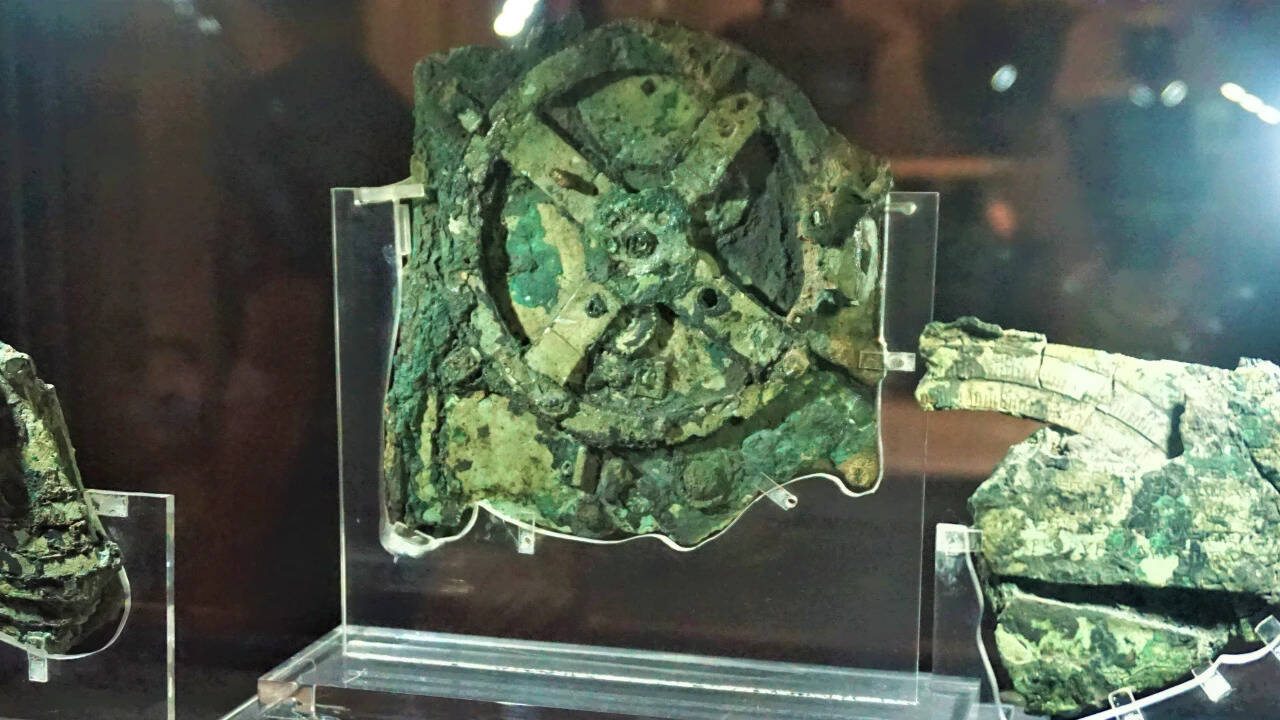
One of archaeology's most significant discoveries emerged in 1900 when sponge divers working off the Greek island of Antikythera recovered an extraordinary artifact from a shipwreck in the Mediterranean Sea. The device, later named the Antikythera Mechanism, would fundamentally challenge modern understanding of ancient technological capability.
Researchers examining the corroded bronze artifact found it to be an intricate assembly of interlocking gears and components, sophisticated in design and construction. Analysis revealed the mechanism functioned as an advanced astronomical calculator, capable of tracking complex celestial movements and cycles spanning years.
The device's most remarkable feature was its ability to predict solar and lunar eclipses with considerable accuracy. This capability demonstrated that ancient Greek scholars possessed deep knowledge of astronomical patterns and possessed the mechanical engineering expertise to translate that knowledge into functional instruments.
The Antikythera Mechanism stands as compelling evidence of the scientific and technological sophistication achieved in the ancient Greek world. The discovery has prompted ongoing scholarly investigation into the lost knowledge and engineering practices of antiquity, reshaping assumptions about the technological limits of pre-industrial civilizations.