World · India Bureau
Ancient Hindu epics link solar worship to Chhath festival traditions
The four-day Chhath festival, celebrated from November 13-16 this year, draws spiritual significance from Hindu mythology. Legends of revered figures including Karna, Draupadi, and Sita underscore the festival's deep connection to sun worship rituals.
LSN India ·
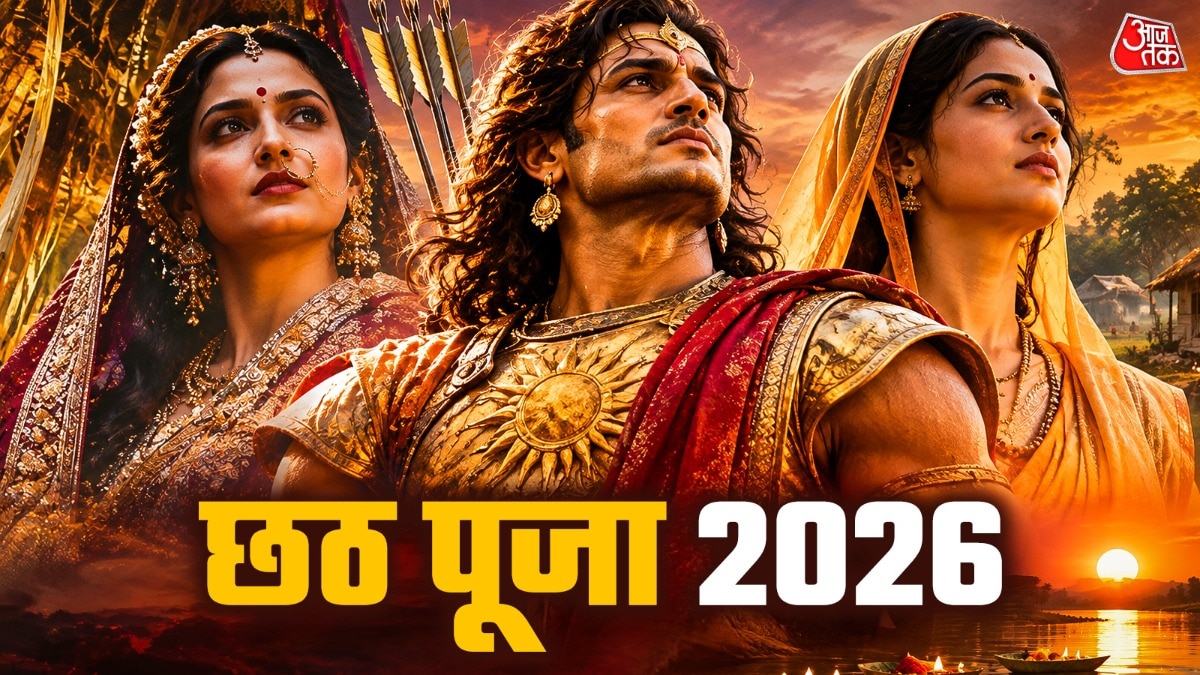
Chhath, one of South Asia's most significant festivals devoted to solar veneration, finds its cultural roots embedded in ancient Hindu scriptures and mythological narratives. The festival commences on November 13 with 'Nhaay-Khay,' a purification ritual, and concludes on November 16 with 'Usha Arghya,' the ceremonial offering to the rising sun.
According to regional folklore, multiple figures from Hindu epics are credited with observing sun worship practices that align with contemporary Chhath rituals. The legend of Karna, the generous warrior-prince from the Mahabharata, remains among the most widely cited narratives associated with the festival. Draupadi, the central figure in the same epic, is also traditionally linked to solar devotion practices.
Sita, the protagonist of the Ramayana, features prominently in another popular Chhath legend. These interconnected mythological accounts have been transmitted through generations, providing spiritual legitimacy and cultural continuity to the festival's observance across northern and eastern India.
The festival's enduring appeal stems from these layered mythological associations combined with its agrarian significance, marking the harvest season while reinforcing traditional gender roles, particularly women's participation in ritualistic practices. The narratives serve to connect contemporary devotees with ancient spiritual traditions, lending both historical and religious weight to modern Chhath celebrations.