World · India Bureau
Ancient Hindu texts foretold five hallmarks of modern age, scholars say
Hindu philosophical traditions describe characteristics of the current era, or Kaliyug, that scholars argue parallel contemporary social challenges. Religious texts suggest spiritual practice as a counterweight to these predicted transformations.
LSN India ·
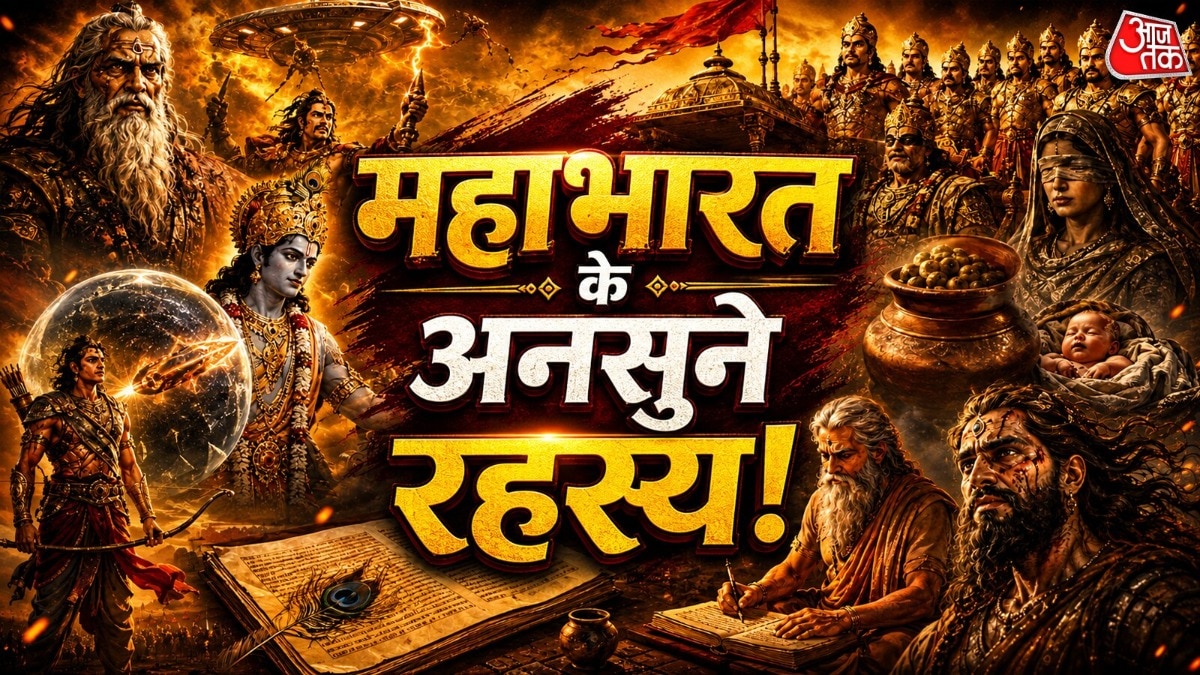
Hindu dharmic texts, particularly accounts from the Mahabharata, contain detailed descriptions of Kaliyug—the current cosmic age in Hindu cosmology—that scholars argue anticipate modern societal patterns.
According to these ancient philosophical frameworks, Kaliyug is characterized by several key features: a fundamental shift in human nature and values, a widening gap between speech and action, and an increasing prevalence of superficiality and materialism. These observations, documented in classical texts, are presented as foreknowledge of the era's defining challenges.
The texts attribute commentary on these characteristics to Lord Krishna, a central figure in Hindu philosophy. According to these accounts, Krishna identified the growing tendency toward hypocrisy and external displays of virtue as particular markers of the age.
Within this theological framework, Hindu tradition prescribes spiritual remedies for navigating Kaliyug's challenges. The texts emphasize the practice of remembering the divine name, or "Hari naam," as a stabilizing force that can guide individuals toward righteous conduct despite the surrounding darkness and moral confusion.
Scholars and religious teachers continue to reference these ancient descriptions when discussing contemporary ethical and social concerns, finding resonance between classical Hindu philosophy and modern observations about human behavior and societal values.