World · India Bureau
Ancient human tooth discovered in Serbian museum collection
A 6,500-year-old human tooth has been identified among artifacts held in a Serbian museum, offering researchers fresh insights into prehistoric human habitation in the Balkans region.
LSN India ·
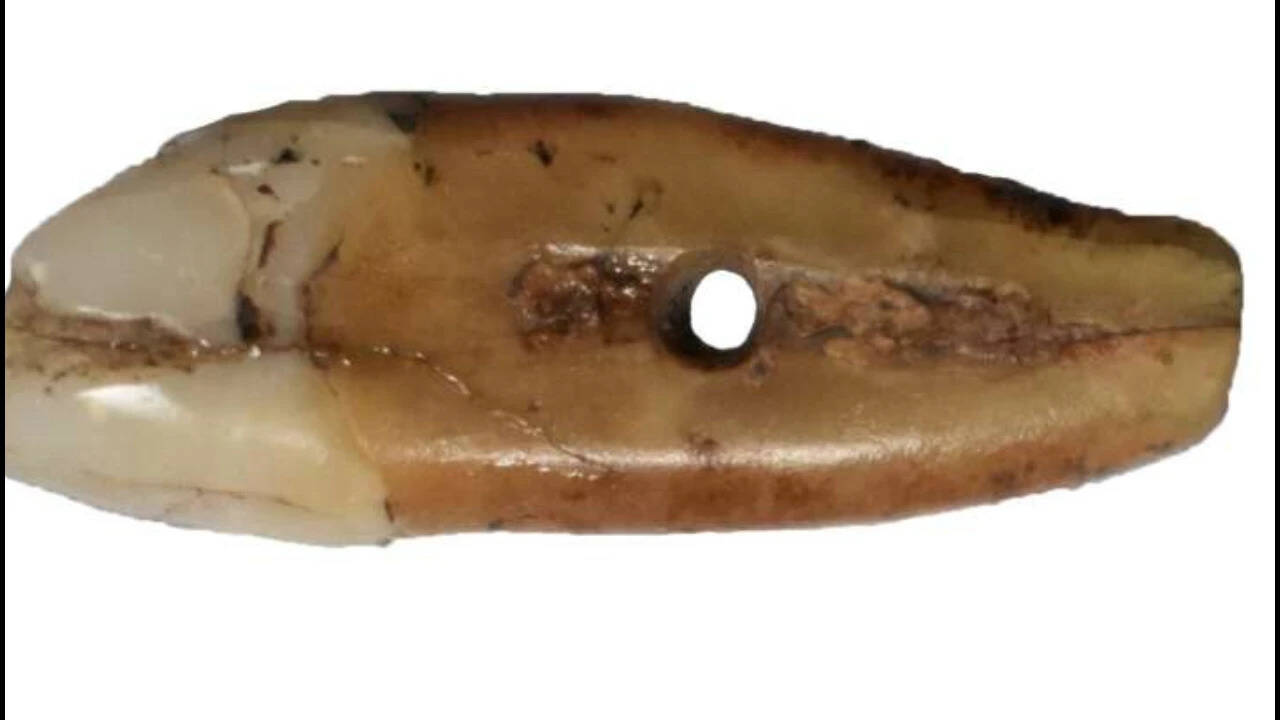
The tooth, discovered within the museum's existing collection, dates back approximately 6,500 years and represents a significant archaeological find for understanding early human settlement patterns in Southeast Europe. The artifact was identified during a systematic review of previously catalogued materials, highlighting how museum collections often contain overlooked specimens of considerable historical value.
Archaeologists have begun detailed analysis of the tooth to extract information about the individual from whom it came, including potential insights into diet, health, and lifestyle during the Neolithic period. Such remains are crucial for reconstructing the demographic composition and daily existence of ancient populations inhabiting the region.
The discovery underscores the importance of comprehensive cataloguing and periodic re-examination of museum holdings across the Balkans. Many institutions in South and Southeast Europe hold significant prehistoric collections that continue to yield valuable information for scholars studying human migration and settlement in ancient times.
The findings contribute to the broader understanding of how early human communities adapted to their environments and established themselves across diverse geographical regions thousands of years ago.