Business · India Bureau
Ancient Irish bones reassessed: cattle remains now identified as bear, wild boar
A significant reassessment of archaeological evidence from Ireland's Ferriters Cove has challenged longstanding theories about the timing and nature of early farming in the region. Bones previously identified as domesticated cattle have now been reclassified as wild animal remains through advanced scientific analysis.
LSN India ·
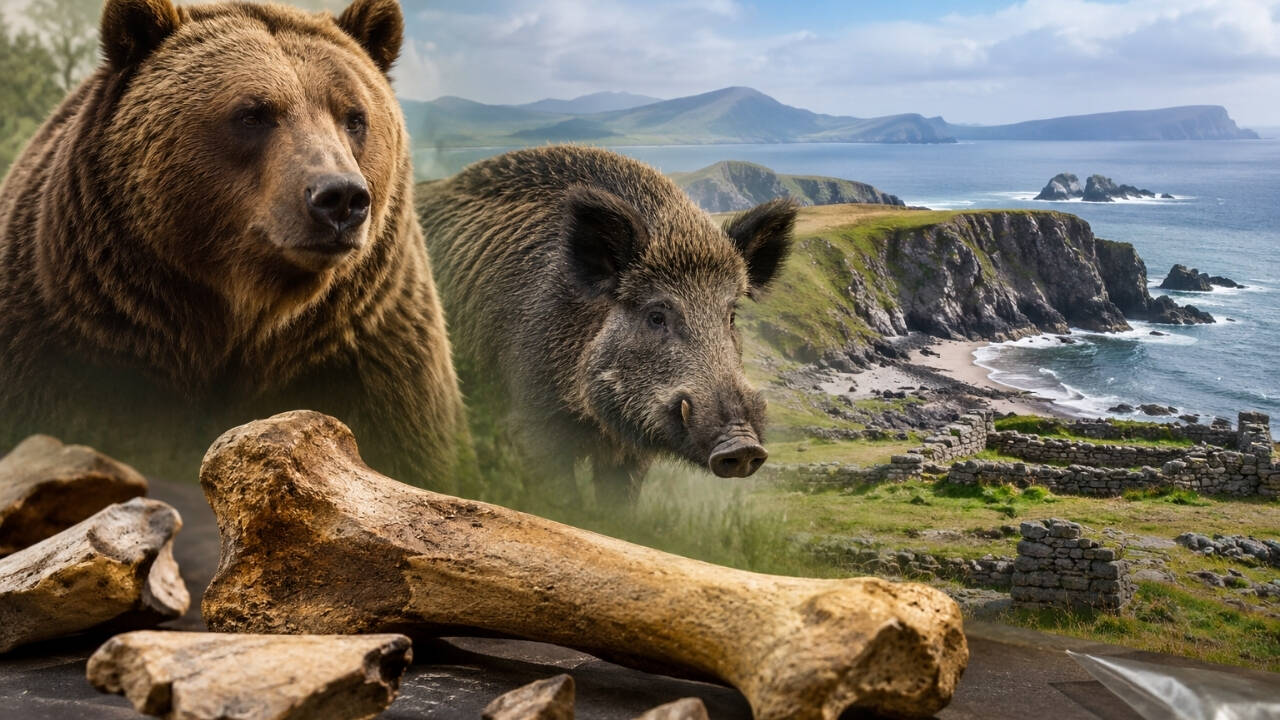
Skeletal remains excavated from Ferriters Cove in County Kerry have undergone a fundamental reidentification that calls into question decades of archaeological interpretation regarding Ireland's agricultural origins. What researchers had previously classified as evidence of early cattle domestication has been determined through modern analytical techniques to be the remains of wild bears and boar.
The discovery represents a significant methodological challenge to existing narratives about Ireland's prehistoric transition from hunter-gatherer societies to settled agricultural communities. The misidentification had formed part of the foundational evidence supporting theories about when livestock farming was introduced to the island, with implications for understanding broader patterns of Neolithic settlement across Europe.
The reclassification was made possible through advances in bone analysis and comparative osteological techniques that allow researchers to distinguish between domesticated and wild animal species with greater precision than was previously available. Such findings underscore the importance of revisiting earlier archaeological conclusions as scientific capabilities improve.
The reassessment at Ferriters Cove prompts a comprehensive reconsideration of other archaeological sites and evidence related to Ireland's early farming period. Researchers are now examining whether similar misidentifications may exist elsewhere in the archaeological record, potentially reshaping understanding of when and how agricultural practices took hold in prehistoric Ireland.