World · India Bureau
Ancient Iron Age settlement discovered in England's Lake District region
Volunteer archaeologists have uncovered the remains of a 2,000-year-old settlement in England's Lake District, shedding new light on Iron Age communities in the region. The discovery marks a significant addition to understanding prehistoric settlement patterns in northwestern England.
LSN India ·
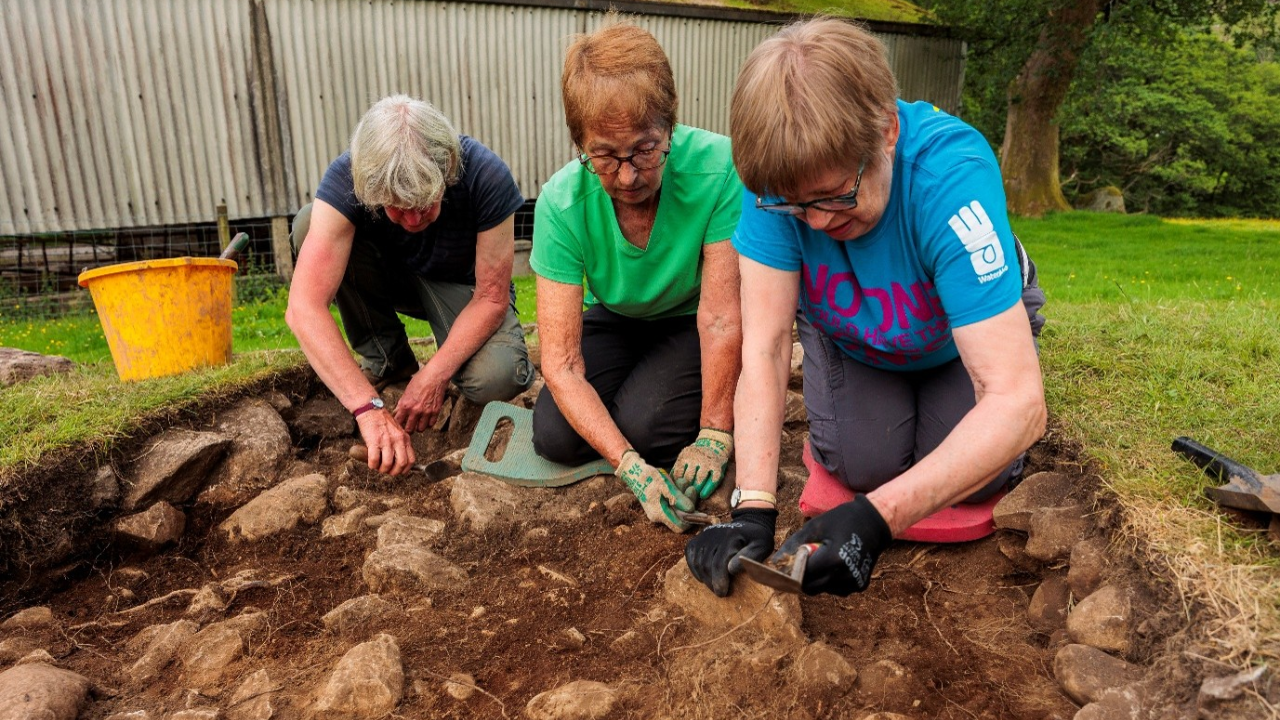
A team of dedicated volunteers has identified the archaeological remains of an Iron Age settlement dating back approximately 2,000 years in the Lake District area of northwestern England. The discovery provides fresh insights into how communities organized and lived during this period of British prehistory.
The settlement's identification represents the culmination of careful fieldwork and analysis by volunteer archaeologists who systematically surveyed the region. The finds include structural remnants and artifacts that collectively paint a picture of daily life during the Iron Age, a period spanning roughly 800 BCE to 43 CE in Britain.
The Lake District, known today primarily for its dramatic landscape and natural beauty, has long been recognized as an area of archaeological interest. This latest discovery adds to the growing body of evidence suggesting the region supported established communities during antiquity, contrary to earlier assumptions that such areas were primarily marginal or seasonally occupied.
Experts indicate the findings will help archaeologists better understand settlement distribution, social organization, and economic practices among Iron Age populations in northern Britain. The involvement of local volunteers underscores the valuable role community-based archaeology plays in expanding historical knowledge and engaging the public with their regional heritage.