World · India Bureau
Ancient Jharkhand temple breaks tradition with elephant worship instead of deities
The 300-year-old Hathi Kheda Thakur temple in eastern Singhbhum district of Jharkhand has preserved an unusual ritual practice that sets it apart from mainstream Hindu worship. Devotees at the shrine venerate clay elephant figurines rather than conventional deity idols, maintaining a centuries-old custom rooted in local tribal and folk traditions.
LSN India ·
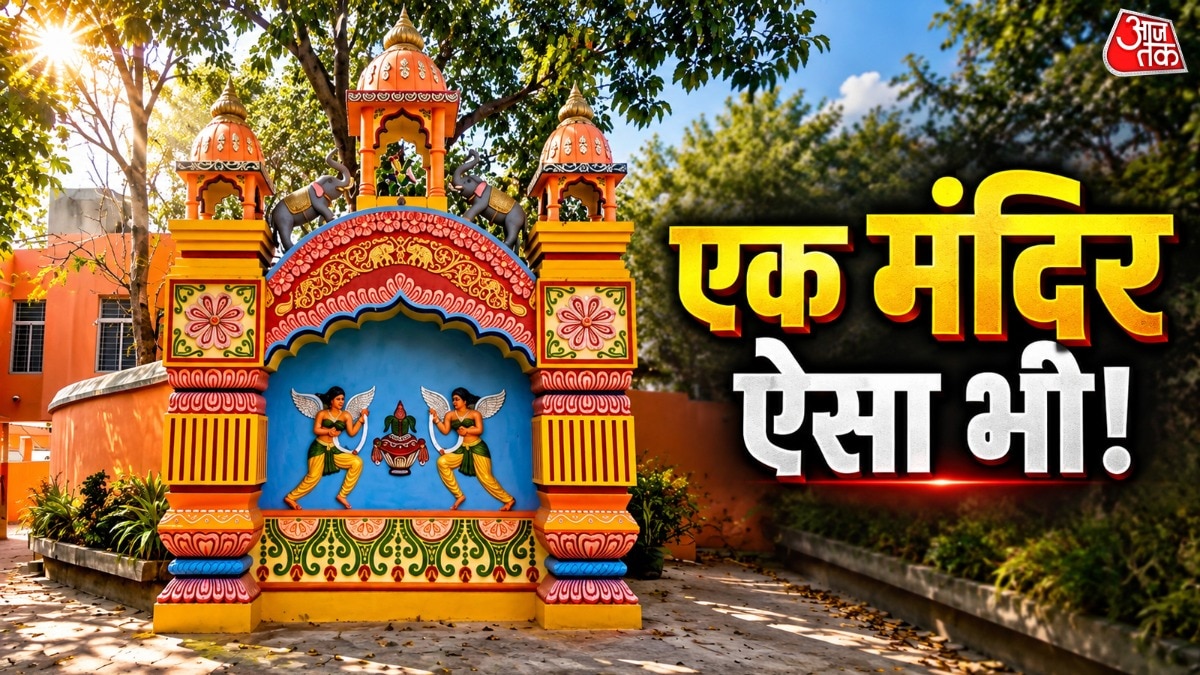
Located in the mineral-rich eastern Singhbhum district, the Hathi Kheda Thakur temple has maintained its distinctive worship practices for over three centuries, drawing the curiosity of religious scholars and cultural researchers. The shrine's primary focus on clay elephant statues represents a unique confluence of Hindu, tribal, and folk religious elements that characterise parts of Jharkhand's spiritual landscape.
The origins of this unconventional practice remain shrouded in local historical accounts and oral traditions passed down through generations of worshippers. Regional historians suggest the practice may reflect ancient reverence for elephants in the region, possibly linked to the area's deep connections with wildlife, forestry, and pre-Aryan spiritual customs that predate classical Hindu temple architecture.
The temple continues to attract pilgrims and researchers interested in understanding India's diverse religious practices and the syncretic traditions that emerge at the intersection of mainstream Hinduism and indigenous belief systems. Local communities view the shrine as a repository of their ancestral heritage, maintaining the ritual practices with the same devotion observed in more conventional temples across India.
The existence of such alternative worship centres underscores the plural nature of Hindu religious expression across different regions of India, where local customs and beliefs have created distinct spiritual traditions that coexist within the broader Hindu framework.