Business · India Bureau
Ancient Letter Reveals Woman's 3,800-Year-Old Fight Over Unpaid Debt
Researchers have deciphered a remarkably preserved letter written by an Anatolian woman nearly four millennia ago, documenting her frustration with a debtor and offering rare insight into personal and economic life in the ancient world.
LSN India ·
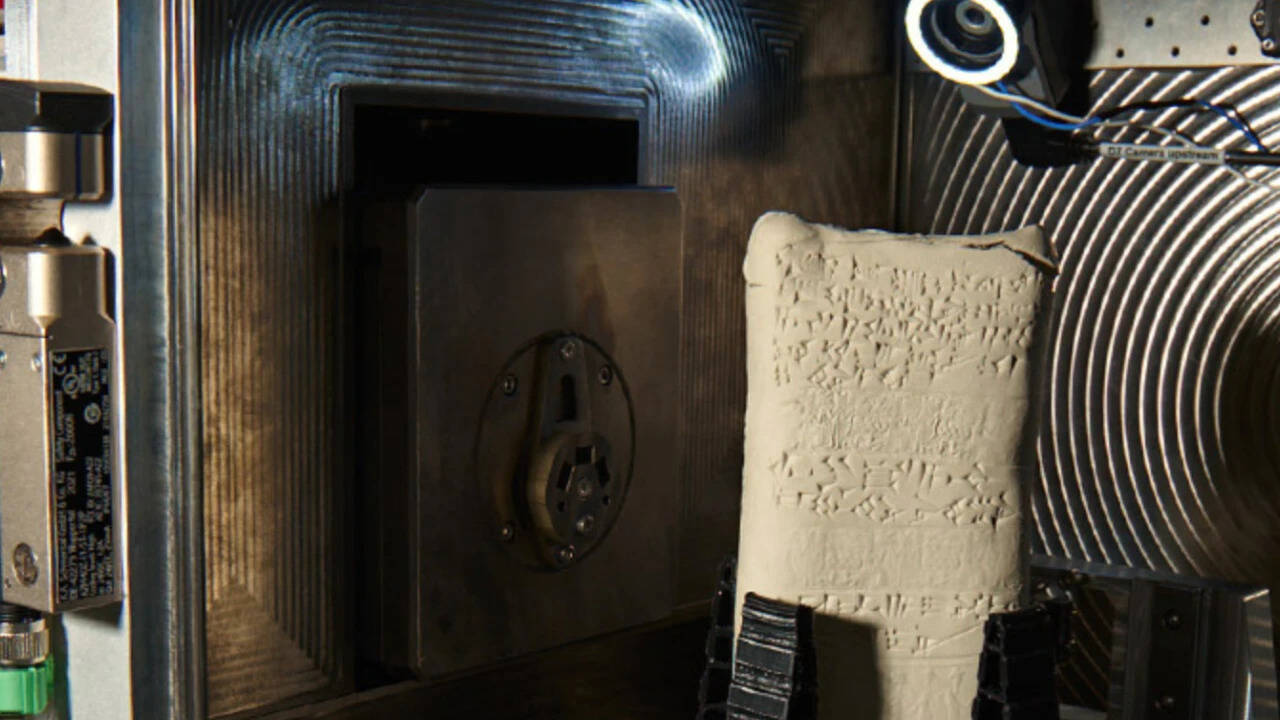
In a significant archaeological breakthrough, scholars have successfully read an ancient letter written by a woman named Anna-anna around 1800 BCE, in which she expressed exasperation with her husband Ennum-Aššur over an outstanding debt owed by a man named Laqēpum. The document, preserved on clay for approximately 3,800 years, provides an intimate window into the domestic and financial concerns of people living in ancient Anatolia.
Using advanced non-invasive imaging technology, researchers were able to examine the cuneiform text etched onto the clay tablet without risking damage to the delicate artifact. The innovative approach allowed scholars to unlock details that had remained hidden since the tablet's creation, revealing the personal dynamics between Anna-anna and her husband as they navigated debt collection challenges.
The letter underscores the complex economic relationships that existed in ancient societies, demonstrating that financial disputes and personal frustrations transcended millennia. Anna-anna's communication with her husband reflects broader patterns of commerce and social obligation documented in other cuneiform texts from the period, offering archaeologists valuable context for understanding daily life in Bronze Age Anatolia.
Experts note that such personal correspondence from antiquity remains exceedingly rare, making this discovery particularly valuable for historians seeking to understand individual voices and experiences beyond official administrative records. The preserved letter stands as a testament to how ancient peoples documented their concerns and communicated across distances, much like correspondence does in the modern era.